Riyadh Metro Red Line extension to Diriyah Gate — The Infrastructure Bet Powering Luxury Tourism
Riyadh Metro Red Line extension to Diriyah Gate is now officially moving forward, as the Royal Commission for Riyadh City (RCRC) awarded a contract to extend the driverless line 8.4km from King Saud University to the Diriyah Gate Development area, adding five new stations.
This is not just a transport story. It’s a luxury-economy enabler, because Diriyah is being positioned as a flagship destination for heritage, culture, hospitality, and premium retail.
What’s confirmed in the project scope
Riyadh Metro Red Line extension to Diriyah Gate is being delivered by a Webuild-led consortium that includes L&T, NESMA, and Alstom, according to the company’s official statement.
The scope includes:
8.4km of new metro infrastructure
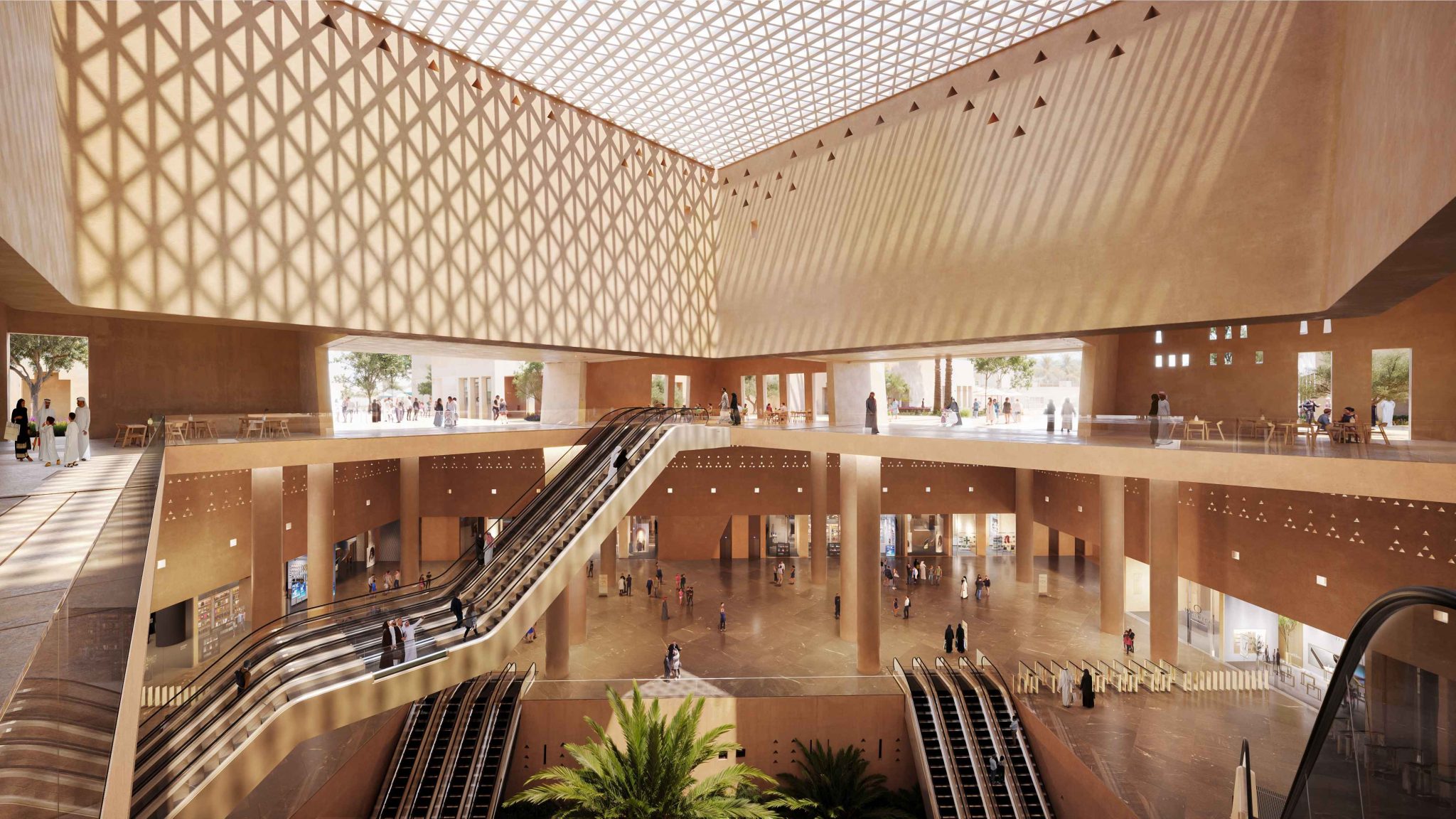
Five stations (with a mix of underground/elevated works)
Engineering details disclosed by Webuild: ~7.1km in tunnels and ~1.3km on viaduct, plus systems and station works.
Why this is a luxury tourism + retail “power move”
1) It converts Diriyah into a higher-frequency destination
Luxury districts grow faster when access becomes predictable and scalable. A metro link reduces dependency on peak-hour road travel and widens the visitor base beyond “special trips.”
2) It boosts footfall quality, not just volume
Transit connectivity typically increases:
repeat visits
weekday traffic (not only weekends/events)
“mixed-intent” trips (culture + dining + retail)
For luxury retail, that’s key: more high-intent browsing hours and stronger conversion economics.
3) It supports Diriyah’s destination positioning
RCRC notes the extension aims to strengthen connectivity between key city zones and major cultural/educational hubs, with Diriyah explicitly included as a connected destination.
The business takeaway
Riyadh Metro Red Line extension to Diriyah Gate is infrastructure that directly supports premium demand—helping Diriyah scale as a luxury destination by improving access, smoothing traffic friction, and expanding catchment for retail + hospitality.