Fairmont The Red Sea mid-2026 opening — The Business Case for Eco-Luxury on Saudi’s Coast
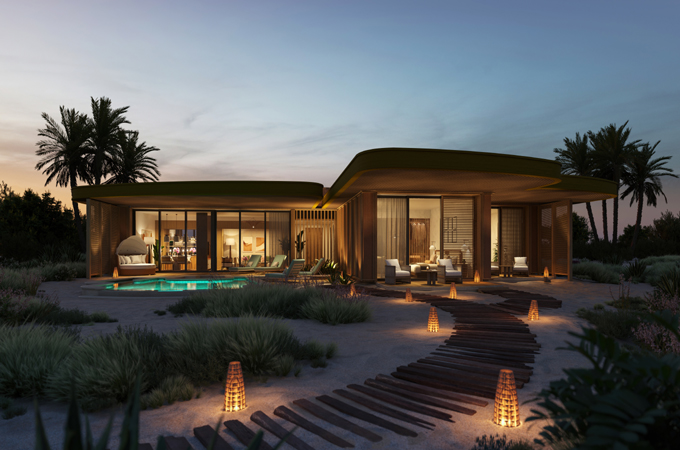
Fairmont The Red Sea mid-2026 opening is a strategic signal: Saudi Arabia’s next phase of luxury tourism is being built around eco-luxury that can command premium rates while protecting (and marketing) the destination’s natural capital. Multiple industry and brand channels now point to a mid-2026 launch window for the resort, placing it inside the Kingdom’s most closely watched luxury pipeline.
This isn’t simply “another hotel opening.” The Red Sea destination is designed to compete with the world’s most exclusive coastal escapes—while positioning sustainability as a luxury feature, not a compromise.
What’s confirmed about the resort
Across official and industry reporting, the core proposition for Fairmont The Red Sea is consistent:
Opening timing: scheduled for mid-2026
Scale: 193 guest rooms
F&B: six dining concepts, including an overwater restaurant with Red Sea views
Wellness: a spa
Leisure adjacency: next to an 18-hole championship golf course (reinforcing Fairmont’s golf-resort positioning)
The location is part of Shura Island, the centerpiece of Red Sea Global’s destination plan, where Red Sea Global states that eight additional resorts are expected to follow in 2026, alongside 305 Red Sea Residences
Why “eco-luxury” is the commercial story (not just branding)
Luxury hospitality is increasingly split into two worlds:
city luxury (shopping, dining, business)
destination luxury (privacy, nature, wellness, experience)
Saudi’s Red Sea strategy is clearly targeting the second—where affluent travelers pay for access, privacy, and experiences that feel rare.
1) Eco-luxury supports premium pricing when the destination is the product
In destination resorts, the guest isn’t paying only for a room—they’re paying for:
the environment (water clarity, reefs, coastline)
curated experiences
privacy and space
“story value” (where the place sits in global culture)
When sustainability is real and visible, it becomes part of that story value. Accor’s own communications frame Fairmont The Red Sea as redefining the relationship between luxury tourism and the natural world—positioning “nature” as a core element of the luxury proposition, not a side note.
2) Eco-luxury improves destination defensibility
In the ultra-premium travel market, the strongest pricing power comes from destinations that are difficult to replicate. A resort that is integrated into a carefully managed natural environment is more defensible than a generic beachfront build—because the “asset” is not only the hotel; it’s the destination quality.
That matters for a multi-resort island strategy like Shura, where Red Sea Global is scaling a luxury cluster and explicitly mapping a pipeline into 2026.
3) Eco-luxury reduces the long-term operational risk of overuse
Coastal luxury destinations can damage the very asset that sells the experience (marine life, beaches, biodiversity). A regenerative approach is partly a brand promise—but also a risk management strategy for long-term performance.
Why mid-2026 matters in the race for luxury travel demand
Fairmont The Red Sea mid-2026 opening lands in a competitive window. In luxury travel, first movers often win:
the highest-spend repeat travelers
premium travel trade mindshare
the most valuable partnerships (aviation, luxury retail, private clubs)
Red Sea Global’s media communications highlight a lineup of major luxury flags planned for Shura Island (including Fairmont among others), signaling a deliberate “luxury cluster” approach rather than single-property destination development.
The business case: how resorts like this make money
Luxury resorts win when they maximize rate power and on-property spend while protecting experience quality.
1) Rate power is driven by scarcity + narrative
A mid-2026 opening gives Fairmont The Red Sea a runway to establish itself as:
a “must-stay” opening
a destination-defining property
a high-service, high-privacy resort
With 193 rooms, it can be large enough to deliver full resort economics, while still feeling curated if service and design are executed properly.
2) F&B as a revenue engine (not an amenity)
Six dining concepts—including an overwater restaurant—aren’t just for Instagram. In modern luxury, signature dining:
increases length of stay
supports premium packages
drives local and day-guest spend (where permitted)
creates brand heat through content and PR
This is why the overwater restaurant is repeatedly emphasized in announcements.
3) Wellness is now a core profit center
High-end travelers increasingly choose destinations based on wellness credibility, not just a spa menu. A strong wellness offering drives:
higher room categories
longer stays
premium add-ons (treatments, experiences, retreats)
Fairmont’s positioning includes a spa as a core part of the resort proposition.
4) Golf adjacency expands the demand mix
Being next to a championship golf course widens demand beyond leisure couples:
golf travelers
affluent groups
MICE extensions (high-end corporate retreats)
seasonal repeat visitors
Accor and Fairmont communications explicitly tie the resort to the neighboring championship golf course.
What “eco-luxury” needs to get right (to justify premium pricing)
The eco-luxury label only works commercially when execution is consistent across the guest journey:
Arrivals must feel seamless (transfer experience, check-in flow, privacy)
Design must feel “place-specific” (not copy-paste tropical luxury)
Service must be high-touch, not automated
Sustainability must be visible but elegant (no “lecture” tone; it should feel like privilege)
If those are delivered, eco-luxury becomes a pricing advantage: travelers pay more when the experience feels both exclusive and responsible.
What to watch next (signals that matter for business readers)
If you’re tracking Fairmont The Red Sea mid-2026 opening as a luxury business story, these are the indicators that will tell you how big the impact could be:
Exact opening month + booking launch timing (how early the resort begins demand capture)
Signature F&B announcements (chef partnerships and dining identity)
Experience programming (marine, culture, wellness, golf packages)
How Shura’s 2026 wave is sequenced (Fairmont’s role in the broader island pipeline)
Rate positioning vs. global peers (is it competing with Maldives/Seychelles-level pricing?)