Red Sea Film Festival 2025: How Jeddah Became the Arab Cinema Capital for One Week
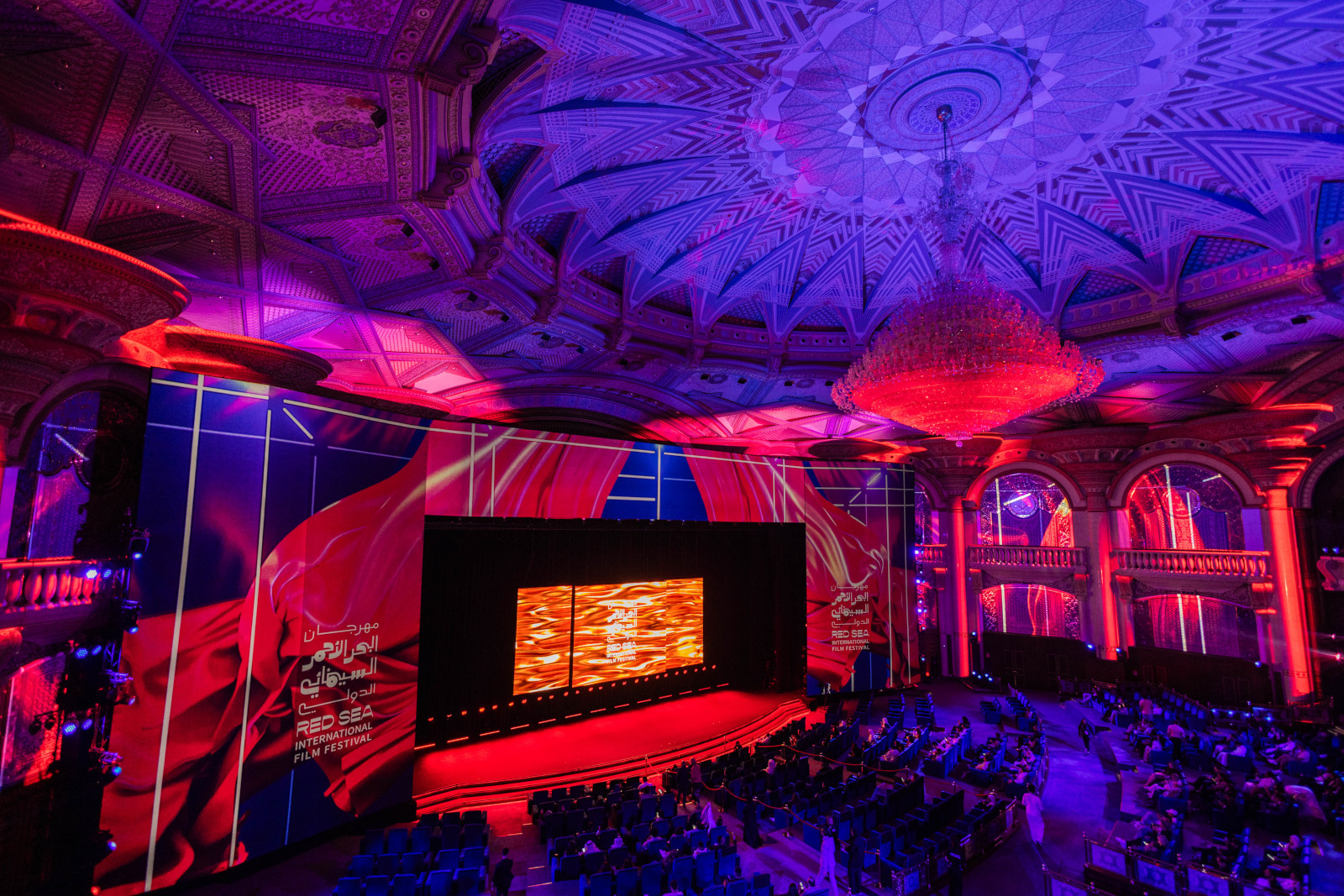
The Red Sea International Film Festival 2025 turns Jeddah into the centre of Arab and global cinema from 4–13 December 2025. Now in its fifth edition, the festival brings more than 100 films from dozens of countries to Saudi Arabia’s Red Sea coast, with 16 titles competing in the flagship Red Sea: Competition section.
Staged around Jeddah’s historic Al-Balad district and waterfront, the festival mixes red-carpet premieres, industry talks and public screenings, positioning the city as a regular stop on the international festival map.
Red Sea International Film Festival 2025: dates, location and vision
The Red Sea International Film Festival 2025 runs for ten days in early December, using venues across Jeddah and focusing strongly on stories from the Arab world, Africa and Asia.
The 2025 edition opens with Giant, directed by Rowan Athale, and continues a model the festival has followed since its launch: combining high-profile international premieres with a competition dedicated to bold, director-driven films.
Alongside public screenings, the Red Sea Souk industry programme gathers producers, sales agents and distributors, with around 40 projects from the region presented to investors and partners. For filmmakers from Saudi Arabia, Egypt and neighbouring countries, it has quickly become one of the most important networking weeks of the year.
Arab and Egyptian stories at the heart of the competition
The 2025 Red Sea: Competition line-up features 16 feature films from the Arab world, Africa and Asia, plus a number of international co-productions. Several of the most talked-about titles come from the region itself:
The Stories (France/Egypt) – Directed by Egyptian filmmaker Abu Bakr Shawky, the film follows the lives of Ahmed and Liz from the late 1960s into the 1980s, weaving personal milestones through years of political upheaval and economic change in Egypt.
Yunan (Germany/Qatar) – The second feature by director Ameer Fakher Eldin, Yunan centres on an exiled Arab writer living on a remote German island and reflects the director’s own experiences of exile and longing for a homeland.
A Sad and Beautiful World (Lebanon/USA/Germany/Saudi Arabia) – Lebanese director Cyril Aris presents a decades-spanning love story set in Beirut, against the backdrop of the city’s turbulent modern history.
The competition also includes titles such as Hijra (a Saudi-British-Egyptian-Iraqi co-production), Irkalla – Gilgamesh’s Dream (Iraq), Roqia, Sink, Truck Mama and others, underscoring how the festival is becoming a key launchpad for films from the broader Middle East and North Africa region.
For Egyptian and Arab audiences, this means that stories, accents and landscapes they recognise are not only on the programme, but are competing on equal footing with international titles.
New Saudi voices step into the spotlight
One of the festival’s clear priorities is to support emerging Saudi talent. The inclusion of projects such as Hijra in the 2025 competition shows how Saudi directors and producers are moving from shorts and debut features into bigger, internationally backed productions.
Beyond the main competition, the festival’s Arab Shorts and sidebar strands feature work by young Saudi filmmakers experimenting with genre, hybrid documentary and animation. Paired with the Red Sea Souk’s funding and co-production labs, this ecosystem is designed to move Saudi projects from script to screen while keeping them rooted in local stories.
Jeddah as a global red-carpet stop
The Red Sea festival is as much about place as it is about programming. Historic Jeddah (Al-Balad), a UNESCO World Heritage Site, provides a distinctive backdrop of coral-stone houses and Red Sea light, quite different from the glass-and-steel skylines typical of many festival cities.
For one week in December, filmmakers, actors and industry executives converge on this setting for premieres, talks and late-night screenings by the sea. With Saudi Arabia investing heavily in film production incentives and cinema infrastructure, the 2025 edition reinforces the message that Jeddah wants to be a permanent fixture on the global festival circuit, not a one-off curiosity.
Why the Red Sea International Film Festival 2025 matters
For audiences in the Middle East, the Red Sea International Film Festival 2025 offers rare big-screen access to some of the year’s most anticipated titles, from local debuts to Berlin and festival favourites like Yunan and A Sad and Beautiful World.
For filmmakers, it’s a chance to premiere in front of both regional viewers and international buyers, while meeting potential partners through the Souk’s project market. And for Jeddah itself, the festival is a cultural calling card – signalling a city that wants to be known for more than its port and pilgrimage routes, and instead as a place where new cinema from the Arab world is discovered every year.