France’s Louvre Museum Remains Shut as Workers Extend Strike: 10 Key Things to Know
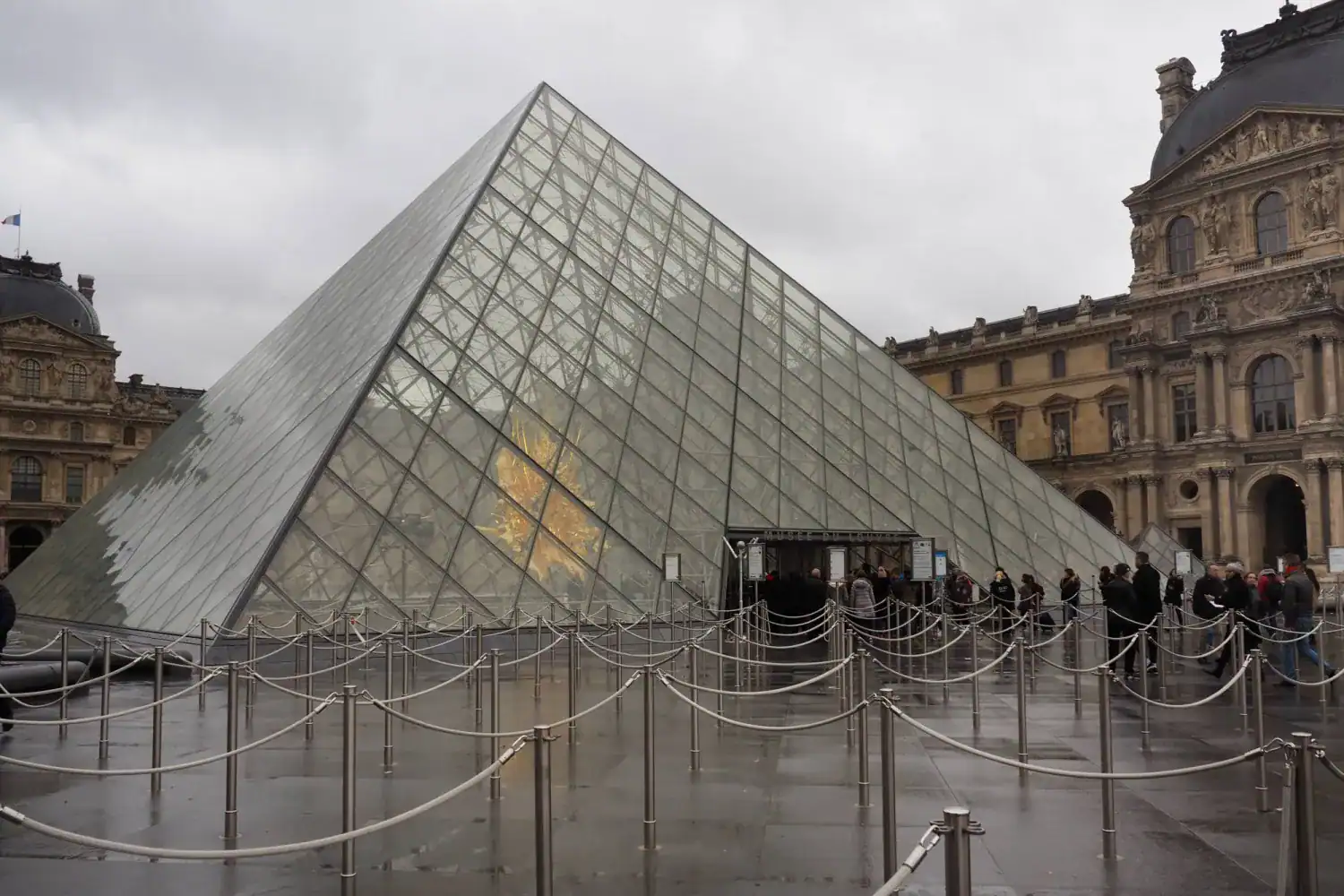
France’s Louvre Museum remains shut as workers extend strike, bringing renewed global attention to labour conditions inside one of the world’s most visited cultural landmarks. As the closure continues, visitors, institutions, and the international art community are closely watching how the situation unfolds.
Below is a facts-only, easy-to-follow breakdown in a Top 10 format, explaining what’s happening and why it matters — without speculation.
Why France’s Louvre Museum Remains Shut as Workers Extend Strike
1. The Louvre Is Closed Due to an Ongoing Workers’ Strike
The museum’s closure is the direct result of a strike by Louvre employees. There has been no security incident, damage, or emergency unrelated to labour action.
Under French law, workers in public institutions have the legal right to strike.
2. The Strike Involves Essential Museum Staff
The strike includes frontline roles that are required for safe daily operations, such as:
Gallery attendants
Security personnel
Visitor services staff
Without minimum staffing levels, the Louvre cannot open to the public.
3. Working Conditions Are Central to the Dispute
Labour actions in France’s cultural sector commonly focus on:
Staffing shortages
Workload pressures
Scheduling and working conditions
The extension of the strike indicates that discussions have not yet reached resolution.
4. All Public Access Areas Are Affected
As France’s Louvre Museum remains shut as workers extend strike, the closure applies to:
Permanent collections
Temporary exhibitions
Ticketed visitor access
This impacts both general visitors and pre-booked tours.
5. The Closure Has Global Tourism Impact
The Louvre is one of the most visited museums worldwide, attracting millions of international visitors each year.
Extended closure affects:
International travellers
Cultural tour groups
Global travel itineraries
Visitors are advised to check official updates before planning visits.
6. Museum Strikes in France Are Not Uncommon
France has a long history of labour strikes across public services, including:
Transport networks
Education institutions
National museums
Cultural institutions have previously experienced temporary closures during industrial actions.
7. Negotiations Continue During the Strike
While the museum remains closed, negotiations between workers’ representatives and management typically continue in parallel.
Strike extensions are usually decided incrementally, based on progress in talks.
8. The Louvre’s Digital Platforms Remain Accessible
Despite physical closure, the Louvre’s:
Online collections
Educational content
Virtual resources
remain available to the public worldwide.
9. Reopening Depends on Staffing Levels, Not Announcements
The Louvre can only reopen once required staffing thresholds are met — even if negotiations advance.
As a result, reopening announcements are often made at short notice.
10. The Strike Highlights Wider Cultural Labour Challenges
When France’s Louvre Museum remains shut as workers extend strike, it underscores broader challenges faced by major cultural institutions, including:
Rising visitor numbers
Operational pressure on staff
Public-sector funding constraints
These issues extend beyond France alone.
What This Means for Visitors and the Art World
At present, France’s Louvre Museum remains shut as workers extend strike, with no confirmed reopening date. Global visitors are encouraged to:
Monitor official Louvre communications
Review ticket provider policies
Consider alternative cultural sites during travel planning
This closure is not about access to art — it is about the people who safeguard it. As long as France’s Louvre Museum remains shut as workers extend strike, the situation reflects the balance between cultural preservation, labour rights, and institutional sustainability.
The outcome will be closely watched far beyond Paris.