New Rome Metro Stations Turn Daily Commutes Into Living History — After Years of Waiting
For years, Rome’s metro expansion felt like a never-ending story. Stations delayed, timelines stretched, and commuters left wondering if modern infrastructure could ever coexist with one of the world’s oldest cities.
Now, something unexpected has happened.
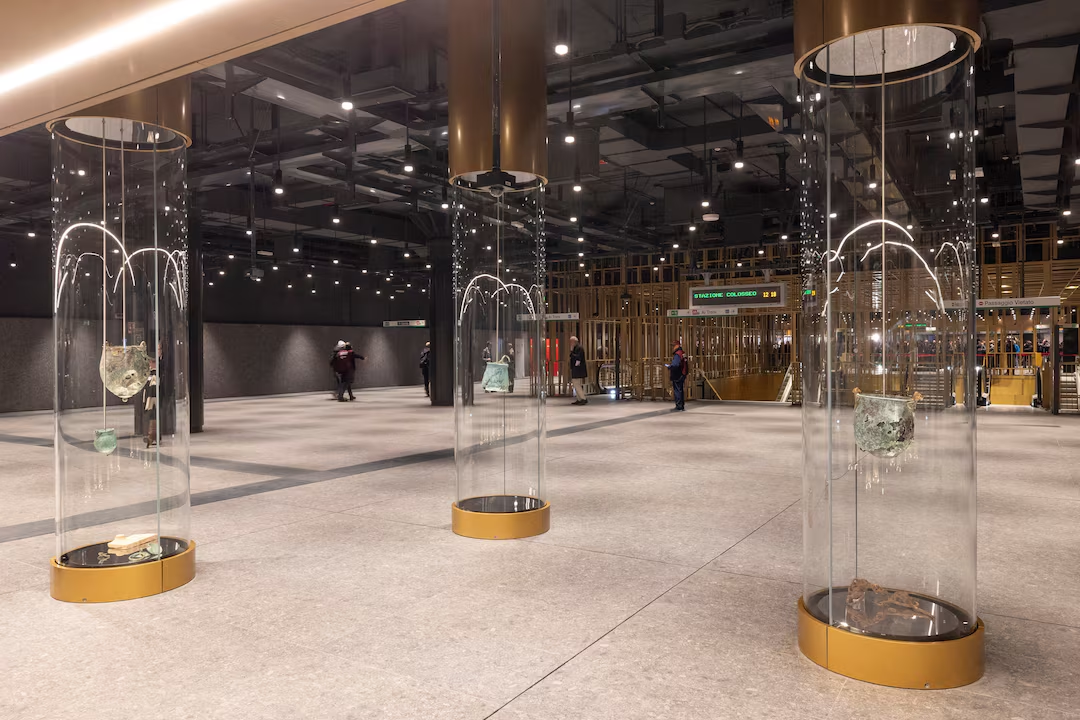
Instead of simply opening new stations, Rome has quietly transformed parts of its underground network into living archaeological spaces — places where history doesn’t sit behind museum glass, but surrounds you on the way to work.
This isn’t just about transport anymore. It’s about how a city chooses to live with its past.
When Waiting Turns Into Wonder
Rome teaches patience like no other city. Every project takes time — sometimes years longer than expected — and locals have learned to live with the inconvenience.
But stepping into these new metro stations feels different. What once caused frustration now feels purposeful. Ancient walls, fragments, and traces of old Rome appear where polished tiles and concrete were expected.
The delays didn’t erase progress — they revealed it.
A Commute That Feels Like a Museum Visit
There’s something quietly powerful about encountering history without planning to. No ticket lines. No guided tour. Just the past appearing between escalators and platforms.
You don’t stop your day to see history.
History interrupts your day — gently.
And that’s what makes it special.
At NicheMagazine, we often talk about how culture evolves when it becomes part of everyday life, not something reserved for special occasions. Rome’s metro stations now do exactly that.
Modern Design Meets Ancient Memory
What stands out isn’t only what was found underground — it’s how thoughtfully it’s been woven into modern spaces. Glass, light, steel, and stone sit beside centuries-old remains without competing for attention.
Nothing feels forced. Nothing feels staged.
It’s a reminder that progress doesn’t have to erase memory. Sometimes, it can frame it beautifully.
Why This Feels So Roman
Rome has never been a city that hides its layers. Ancient ruins rise next to cafés. Renaissance façades overlook modern traffic. Time has always overlapped here.
These metro stations simply continue that tradition — underground.
Instead of rushing to “catch up” with other capitals, Rome stayed true to itself. Slow. Complicated. Deeply human.
A New Kind of Cultural Experience
Not everyone visiting Rome will plan a museum day. But almost everyone will take the metro.
That’s what makes this shift meaningful.
Culture becomes accessible not through schedules or tickets, but through movement. Through routine. Through daily life.
It’s the kind of quiet innovation that doesn’t shout — it lingers.
When Delays Become Part of the Story
Looking back, the years of waiting feel less like failure and more like preparation. Rome didn’t just build stations. It uncovered stories — and chose to share them rather than hide them away.
At NicheMagazine, this is the kind of cultural moment we believe matters most:
where cities stop choosing between past and future — and start letting them exist together.
Rome’s newest metro stations don’t just take you from one place to another.
They remind you where you are — and how many lives existed there before yours.
Sometimes, the longest journeys lead to the most meaningful arrivals.
What makes these spaces resonate is the quiet intimacy of the experience. There’s no announcement, no dramatic reveal — just a moment of recognition as you realise you’re standing where centuries once passed. In a city so often defined by its landmarks, Rome metro stations offer something more personal: history encountered unexpectedly, woven into the rhythm of modern life rather than set apart from it.