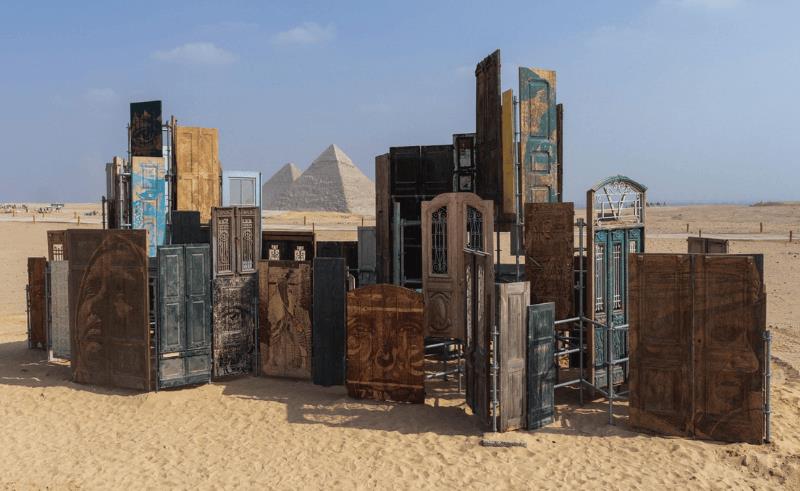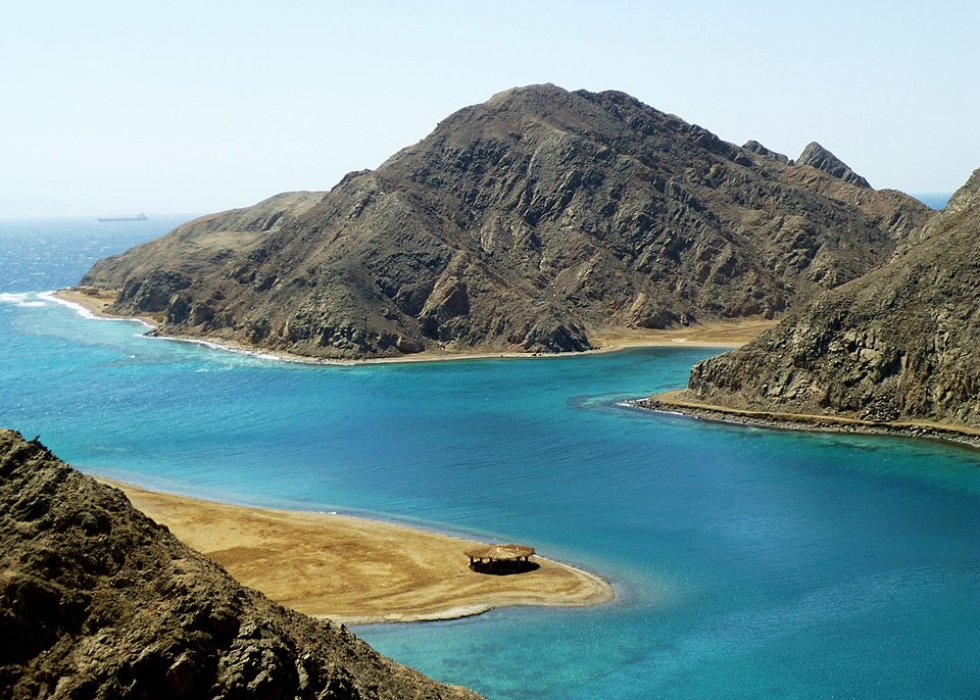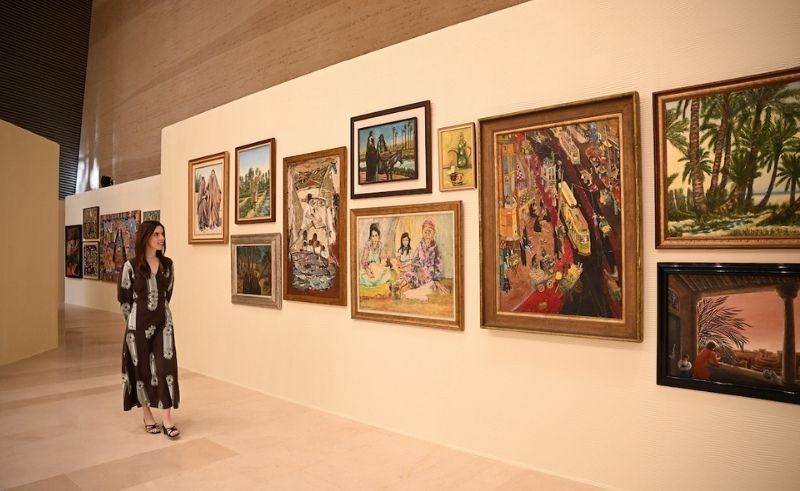
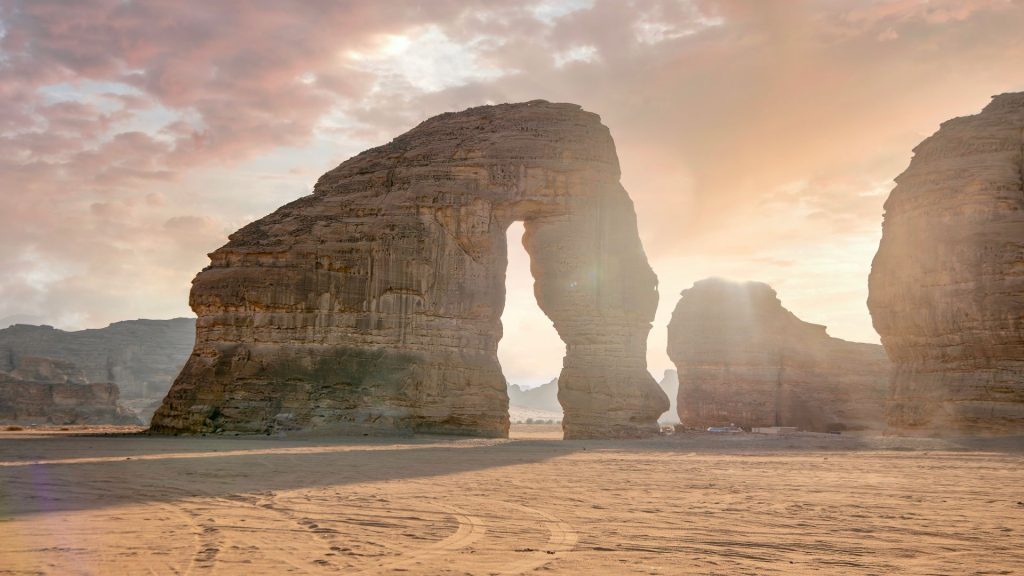
A Global Spotlight on Heritage: AlUla’s Cultural Vision Earns International Recognition
The announcement that AlUla named World’s Cultural Tourism Project 2025 places the historic destination firmly on the global cultural map. Known for its archaeological depth, dramatic landscapes, and long-term conservation strategy, AlUla’s recognition reflects how heritage-led tourism is being redefined through sustainability, preservation, and cultural storytelling.
Rather than positioning tourism as spectacle, AlUla’s approach has focused on safeguarding history while opening it thoughtfully to the world.
Why AlUla Named World’s Cultural Tourism Project 2025 Matters
When AlUla named World’s Cultural Tourism Project 2025, the title acknowledged more than a destination — it recognised a cultural model.
The designation highlights:
Long-term heritage conservation
Responsible cultural tourism development
Integration of archaeology, nature, and community
AlUla’s recognition places it among global projects that treat culture as a living asset rather than a commercial backdrop.
From Ancient Civilisations to Contemporary Culture
AlUla is home to layers of human history spanning thousands of years, including ancient settlements, rock formations, and preserved heritage sites. What sets the destination apart is how this history has been integrated into a broader cultural vision.
The recognition that AlUla named World’s Cultural Tourism Project 2025 reflects:
Careful site preservation
Controlled visitor access
Cultural programming that respects historical context
This balance has become a benchmark for heritage destinations worldwide.
A Cultural Tourism Model With Global Relevance
Cultural tourism has increasingly shifted toward sustainability and authenticity. AlUla’s approach aligns with this shift by prioritising:
Conservation before expansion
Education alongside tourism
Community engagement within development plans
As AlUla named World’s Cultural Tourism Project 2025, the destination stands as an example of how tourism can support cultural continuity rather than dilute it.
Saudi Arabia’s Broader Cultural Strategy
AlUla’s recognition is part of a wider cultural transformation taking place across Saudi Arabia, where heritage, arts, and tourism are being developed in parallel.
The project demonstrates:
Investment in cultural infrastructure
International collaboration in heritage management
A focus on long-term cultural value
At NicheMagazine, this milestone is viewed as part of a broader regional shift where cultural destinations are increasingly evaluated by impact, stewardship, and authenticity rather than visitor numbers alone.
Why AlUla Resonates With Global Audiences
Global interest in AlUla has grown steadily due to its unique combination of:
Natural landscapes
Archaeological significance
Curated cultural experiences
The recognition that AlUla named World’s Cultural Tourism Project 2025 reflects how international audiences are responding to destinations that offer depth, narrative, and responsibility.
Beyond the Award: What Comes Next
While the title itself is significant, its long-term value lies in what it supports.
The designation strengthens:
Continued conservation efforts
Global cultural partnerships
Awareness of best practices in heritage tourism
For AlUla, the recognition reinforces its commitment to preserving history while allowing future generations to engage with it meaningfully.
What also sets AlUla apart is the pace at which its cultural development has been rolled out. Rather than rapid expansion, the destination has followed a phased approach that allows research, conservation, and visitor experience to evolve together. This measured strategy has helped maintain the integrity of archaeological sites while gradually introducing cultural programming, making AlUla’s growth feel intentional rather than extractive.
The moment AlUla named World’s Cultural Tourism Project 2025 confirms the destination’s role as more than a historic site — it is a living cultural landscape shaped by careful planning and respect for heritage.
As global tourism continues to evolve, AlUla’s approach offers a blueprint for how culture, conservation, and travel can coexist without compromise.