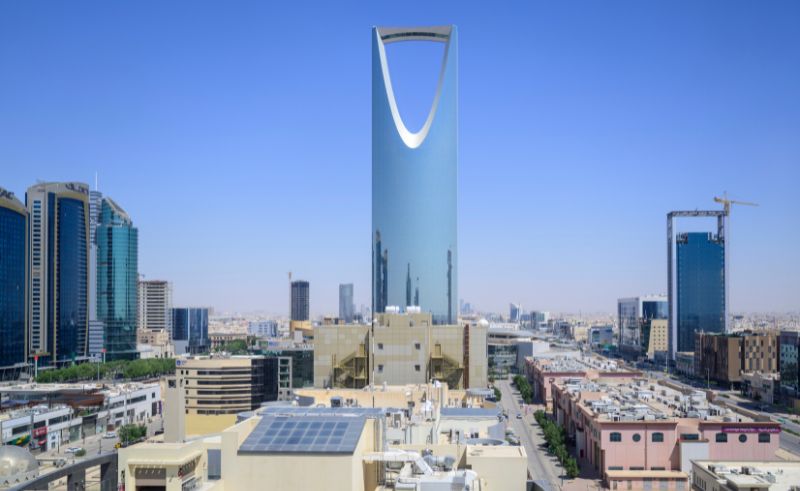
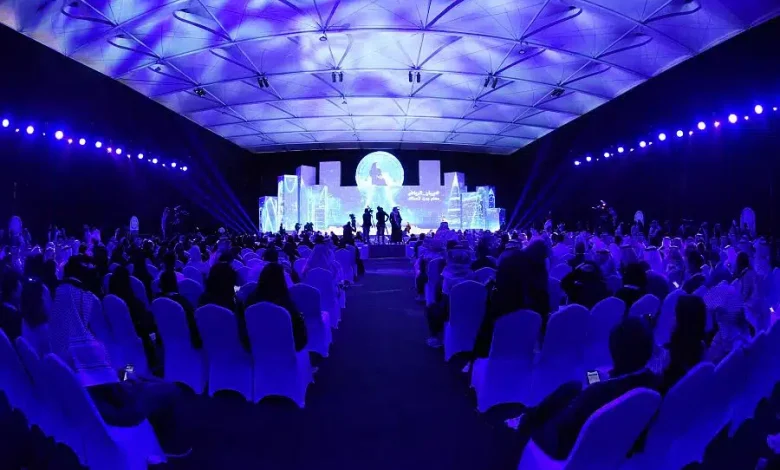
Biban 2025 Riyadh is being billed as the Middle East’s largest entrepreneurship forum – and when you look at the numbers, it’s easy to see why. Held from 5–8 November 2025 at the Riyadh Front for Exhibitions and Conferences, the event is organised by Monsha’at, Saudi Arabia’s Small and Medium Enterprises General Authority, under the slogan “A Global Destination for Opportunities.”
In four days, Biban 2025 is expected to host delegates from more than 150 countries, over 1,000 exhibitors, 200 speakers and 40 enabling entities, with 10,000+ investment opportunities showcased and upwards of 140,000 visitors walking its halls – figures that cement it as a regional giant in the startup space.
Seven “doors” into Saudi’s new economy
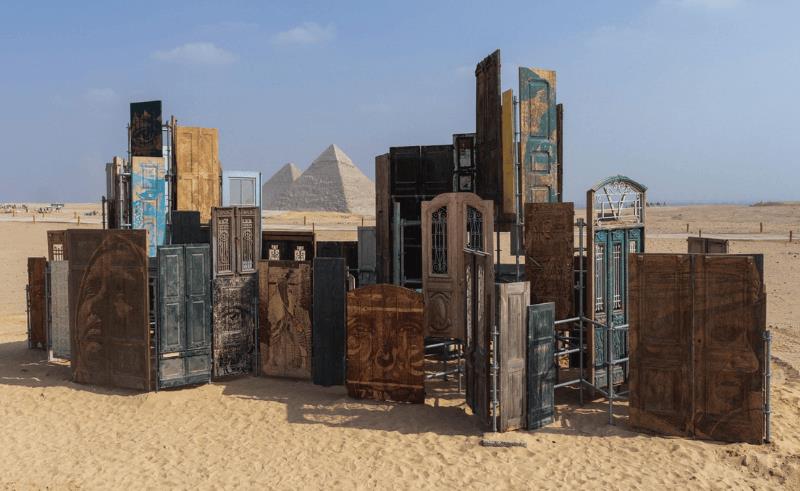
Rather than a classic trade show, Biban 2025 is structured around seven thematic “doors” that act like entry points into Saudi Arabia’s new economy: spaces dedicated to innovation, startups, SMEs, investment, digital commerce and more.
For founders, that means you don’t just walk past stands – you move through curated zones where:
pitch stages run back-to-back demo sessions,
investors host open office hours,
ministries and regulators answer practical questions on licences, visas and funding,
and global tech brands run live product labs on AI, cloud and payments.
The mood is part trade fair, part ideas festival. A fintech founder in sneakers and a hoodie might be sitting next to a construction-tech entrepreneur in a thobe, both waiting to meet the same venture capital partner.
Founders as lifestyle stories, not just pitch decks
What makes Biban 2025 Riyadh feel different is how visible everyday founders are. The forum leans into a lifestyle narrative:
Where they work: from co-working spaces in Riyadh and Jeddah to remote-first teams across Cairo, Amman and Dubai.
How they dress: abayas and sharp suits mixed with logo caps, trainers and startup merch – a visual blend of Gulf formality and Silicon Valley casual.
What they’re building: AI-enabled logistics, climate-friendly construction materials, creator-economy tools, halal travel apps, Arabic ed-tech and more.
Panels on the main stages dig into work-life balance, burnout, mental health and creative risk-taking, not only valuations and funding rounds. For a region whose entrepreneurship story has long been told through mega-projects, seeing individual founders centre-stage feels like a reset.
Vision 2030 in real time: youth and female founders
Biban is also a live snapshot of Vision 2030 in motion. Saudi data shows that around 38% of active commercial registrations are youth-led projects, and roughly 47% are owned by women, reflecting how quickly the entrepreneurial base is changing.
At Biban 2025, that shift is visible in the queues for mentorship clinics and accelerator sign-ups. A dedicated focus on women’s entrepreneurship runs through the forum’s seven doors, with workshops, pitch showcases and networking sessions tailored to female founders.
For many, Biban is where theory turns into practice:
a Saudi fashion-tech founder meets her first regional buyer;
an Egyptian green-energy startup lines up a pilot project in NEOM or the Red Sea;
a Bahraini fintech platform secures a term sheet from a Riyadh-based fund.
These individual stories are what turn macro-goals like diversification and private-sector growth into something readers can picture.
What investors are really looking for at Biban 2025 Riyadh
Behind the big stages and photo ops, Biban 2025 Riyadh is also a massive deal-flow machine. From conversations with regional investors and public comments around the forum, several themes keep coming up in 2025:
Clear path to revenue, not just hype
Early-stage capital is still available, but investors want startups that can show paying customers or a realistic route to monetisation within the GCC and wider MENA region.Localization and Arabic-first products
Whether it’s AI, e-commerce or SaaS, solutions that genuinely understand Arabic language, Gulf culture and local regulations have an edge over copy-paste imports.Climate and sustainability angles
From green building materials to energy-efficient logistics, anything that supports national net-zero targets and sustainable infrastructure is high on investors’ radar.Serious founding teams
Teams that combine technical talent with sector experience – for example, a former banker in a fintech startup or an ex-engineer in a construction-tech firm – are seen as lower-risk bets.
Biban’s packed programme of workshops (more than 2,000 sessions) and mentoring clinics (around 1,000 sessions) is designed to help founders sharpen exactly these points before they walk into investor meetings.
Why Biban 2025 matters beyond Riyadh
Although Biban is rooted in Saudi Arabia, its impact extends across the Middle East and North Africa. With participants from 150+ countries, including Egypt, UAE, Qatar and beyond, the forum acts as a regional scoreboard for entrepreneurship.
For the wider region, the big questions are:
Jobs: How many new roles will these startups create in tech, hospitality, logistics and creative industries?
Tourism: As more founders and investors fly into Riyadh, how will that feed into hotels, F&B, entertainment and aviation?
Sustainability: Which of the showcased mega-projects and SMEs are building greener cities, smarter mobility and more resilient infrastructure?
In that sense, Biban 2025 Riyadh is not just a forum; it’s a snapshot of how the Middle East is quietly being rebuilt through entrepreneurship – project by project, app by app, founder by founder.
For Niche readers, Biban 2025 is worth watching not only as a business event, but as a culture moment. It’s where:
Saudi youth test ideas in front of the world,
female founders pitch global investors on their own turf,
and international players decide how seriously they take the region’s startup scene.
As the doors of Biban 2025 Riyadh open and close across those four November days, they tell a bigger story: that the Gulf’s future won’t be built by oil alone, but by thousands of entrepreneurs turning bold, messy, very human ideas into the next wave of global companies.