Desert X AlUla Returns in 2026: An Outdoor Exhibition Set Across the Valleys From Jan 16 to Feb 28
Desert X AlUla 2026 will inhabit AlUla’s valleys from Jan 16 to Feb 28, presenting an outdoor contemporary art exhibition installed directly across the landscape.
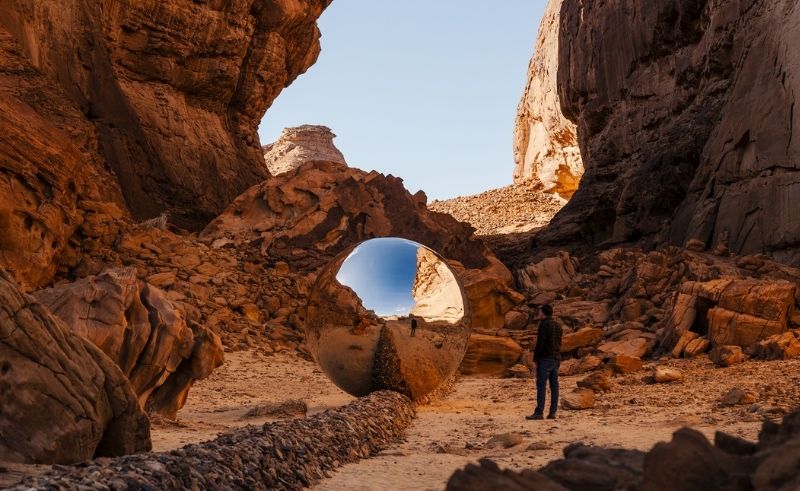
Desert X AlUla is returning to Saudi Arabia’s AlUla landscape for its fourth edition, running from January 16 to February 28, 2026. The exhibition is designed as an open-air contemporary art experience, installed directly across AlUla’s natural terrain—valleys, canyons, and oases—with works created specifically in response to place.
Rather than a single indoor venue, Desert X AlUla unfolds as a journey. Visitors move through the land itself, encountering artworks integrated into the environment—where scale, distance, light, and silence become part of how the exhibition is experienced.
What Desert X AlUla is
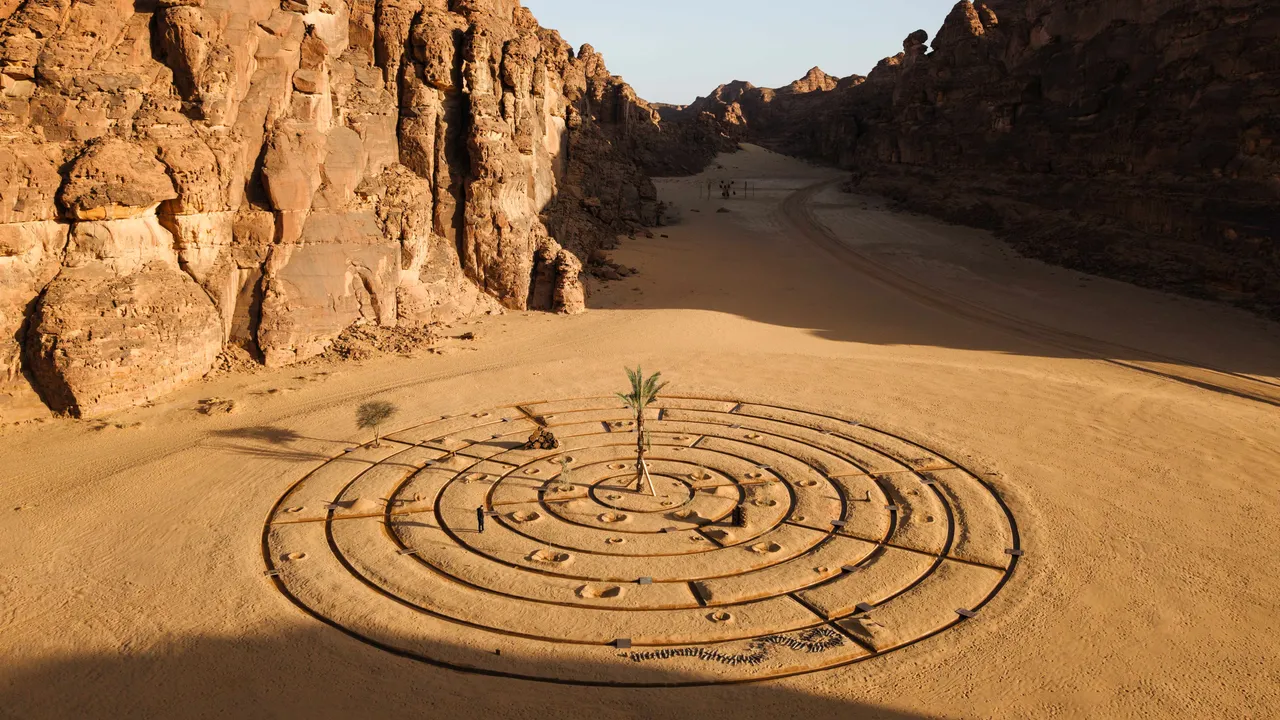
Desert X AlUla is presented as a site-responsive exhibition, meaning the installations are developed to engage directly with AlUla’s geography and cultural context. For 2026, the official programme states the edition will feature 11 new site-specific artworks installed across the landscape.
The Desert X AlUla 2026 programme is structured as a route-based experience, with artworks distributed across multiple sites and explored through self-guided and guided formats.
The 2026 edition is framed under the theme “Space Without Measure.”
The theme positions the artworks as points within an expanded map of the region—encouraging visitors to experience the desert not only as scenery, but as a space where perception changes with movement, scale, and time.
Part of the AlUla Arts Festival calendar
Desert X AlUla 2026 is listed as a highlight within the broader AlUla Arts Festival, the annual season that brings exhibitions, design, and cultural programming to the region.
That context matters because it explains why the exhibition is structured the way it is: not as a standalone “one day” event, but as a multi-week programme designed to be visited, revisited, and explored at different times of day and across multiple routes.
Where it takes place: multiple sites across AlUla
The official visitor information notes that Desert X AlUla is spread across two sites—a main site and a satellite site—with separate parking areas indicated for each.
One of the locations referenced for the 2026 edition is Wadi AlFann (Valley of the Arts), described as a dramatic canyon-and-desert setting for large-scale, site-specific installations.
Tickets, entry, and guided options
The event listing includes several ticket categories and what they include:
General Admission: SAR 50
Includes complimentary parking, access to the site, transport from the car park to the visitor centre, bottled water, and access to the satellite site during operational hours. Free for children under 12.Public Guided Walking Tour (75 mins): SAR 100
Includes admission, an expert guide, site transport, bottled water, and access to the satellite site during operational hours.Private Guided Walking Tour (75 mins): SAR 1000
On-demand private tour with guide, plus admission and site transport.Public Open-Top Car Tour (75 mins): SAR 200 per seat
Includes guided transport around the site, admission, and bottled water.
The same listing advises arriving at least 20 minutes before the booking time and provides venue logistics for parking and meeting points.
Alongside the main exhibition visit, the official programme lists add-on experiences operating within the Desert X period:
Stargazing and Art Walk: Jan 17 – Feb 14 (ticketed)
Art Hike: Jan 17 – Feb 14 (ticketed)
Full Moon Dinner: Feb 1, 19:00–22:30 (ticketed)
These are presented as separate bookings connected to the Desert X experience, expanding the visit into evening programming and guided exploration.
What to expect on the ground
Because the exhibition is installed outdoors, the experience is shaped by movement: you’re not walking through a single corridor of works, but traveling between installations across open terrain. Official descriptions emphasize the relationship between the artworks and the land—valleys, sandstone formations, and desert space—rather than treating the landscape as a backdrop.