Giza, UNESCO & the Big Screen: How Egypt’s New ‘Creative City of Film’ Is Set to Attract Global Shoots
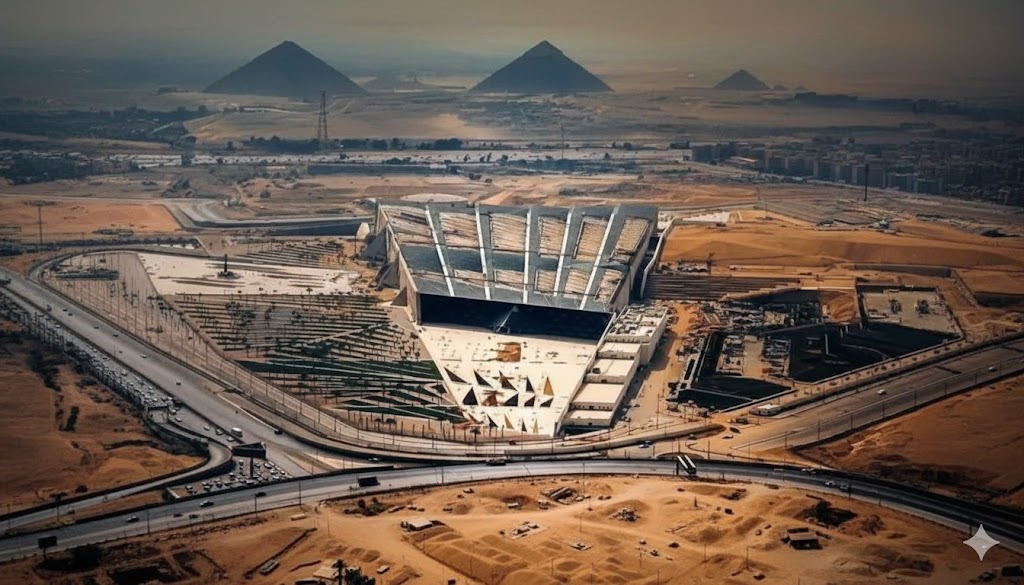
Giza UNESCO Creative City of Film 2025 marks a major milestone for Egypt as the city officially joins UNESCO’s Creative Cities Network in the field of film, coinciding with the global opening of the Grand Egyptian Museum.
The city of Giza has officially been named a UNESCO Creative City of Film for 2025, marking one of Egypt’s most significant cultural achievements in recent years. Announced alongside the highly anticipated opening of the Grand Egyptian Museum, the recognition places Giza among a global network of cities celebrated for leadership in creativity, cultural development, and industry innovation.
For Egypt—and for the region—this acknowledgment represents far more than a title.
It signals a new era where Giza positions itself not only as a guardian of ancient heritage, but also as a modern hub for filmmaking, storytelling, and global productions.
 A Global Endorsement for Egyptian Cinema
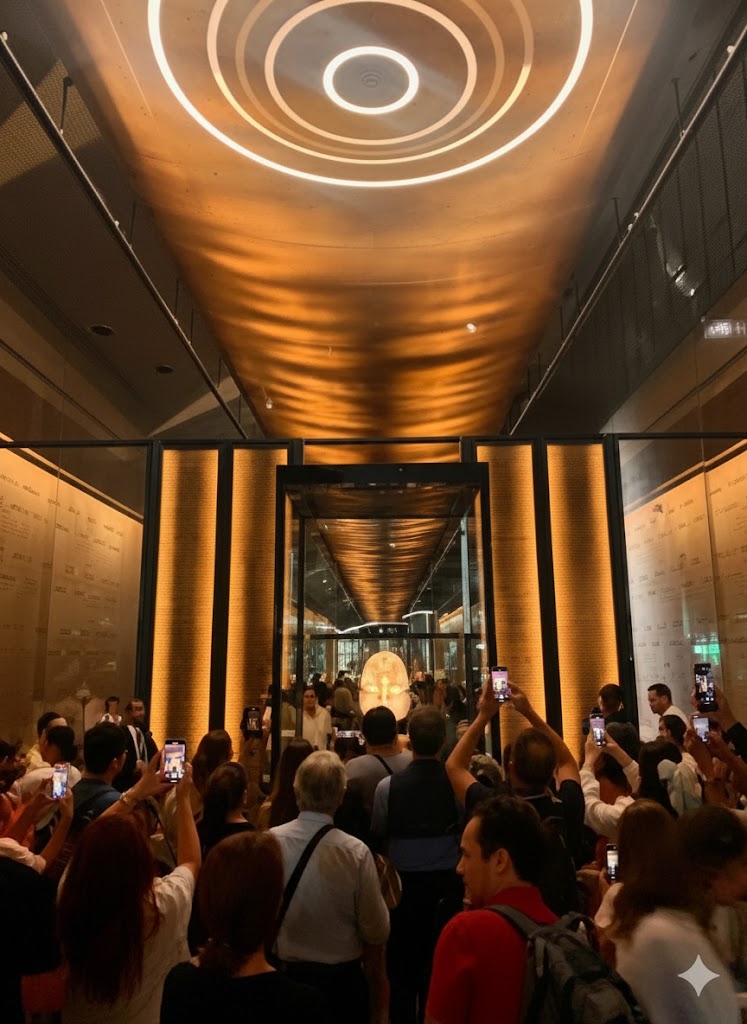 A Global Endorsement for Egyptian Cinema
Being selected as a UNESCO Creative City of Film is a rare distinction. It places Giza among a select group of cities around the world recognized for excellence in filmmaking, cinematic heritage, production infrastructure, and creative vision.
This recognition reflects:
Giza’s long cinematic history
Its unique filming landscape (pyramids, desert, vibrant urban life)
The city’s growing creative sector
New cultural and film-centered initiatives
Momentum created by the Grand Egyptian Museum’s launch
The award underscores Egypt’s longstanding influence on Arab cinema and its renewed potential to become a destination for international film crews.
A New Cultural Moment for Giza
The timing of this announcement is significant. As the Grand Egyptian Museum opens to global audiences, Giza is already attracting unprecedented international attention. Tourism, culture, and media are converging—and the new UNESCO designation accelerates that momentum.
It gives Giza a new identity:
Not only the home of millennia-old wonders,
but a living, breathing creative powerhouse ready for modern storytelling.
This dual identity—heritage + creative future—is exactly what global studios and filmmakers are seeking.
Why UNESCO Chose Giza
The selection of Giza as a UNESCO Creative City of Film 2025 is rooted in several strengths:
1. A world-class backdrop
Giza’s landscapes—from Pharaonic monuments to modern Nile-side districts—have appeared in countless productions. It remains one of the most visually iconic filming locations in the world.
2. A rapidly growing cultural ecosystem
Alongside GEM, new museums, cultural venues, studios, and festivals are contributing to a creative infrastructure.
3. Egypt’s powerful cinematic legacy
Egypt has long been considered the “Hollywood of the Arab World,” with Giza playing a central role in film history, talent development, and production.
4. Film-friendly energy in 2025
Cultural organizations, media platforms like CairoScene, and public institutions are increasingly promoting filmmaking as an economic and artistic priority.
How Giza’s Recognition Will Attract Global Productions
The UNESCO Creative City of Film label positions Giza to benefit from:
New international co-production deals
Increased foreign film shoots
Global film festival partnerships
Cultural exchanges and training programs
Skill development for young Egyptian filmmakers
Tourism driven by film and media exposure
For global filmmakers, Giza now represents both authenticity and capability—ancient history with modern infrastructure.
A New Identity for a Timeless City
With the Giza UNESCO Creative City of Film 2025 designation, Egypt is sending a clear message:
the country’s storytelling legacy is evolving, expanding, and ready for global collaboration.
Giza’s future will now be defined not only by the stories carved in stone, but by the stories created on screen.
And for the first time in decades, the world is watching—through a cinematic lens.