A Living Tradition Recognised Worldwide: Hadrami Dan Added to UNESCO’s Intangible Cultural Heritage of Humanity List
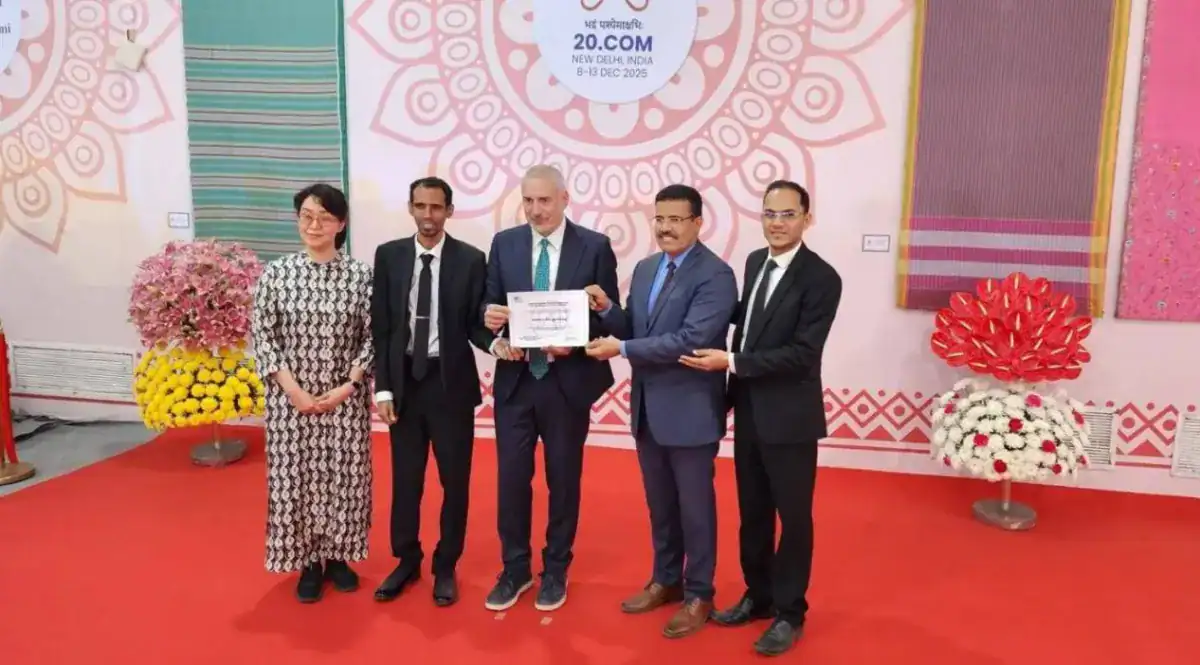
The moment Hadrami Dan added to UNESCO’s Intangible Cultural Heritage of Humanity List was announced, it marked more than international recognition — it confirmed the global cultural value of a tradition rooted in collective memory, rhythm, and identity.
Hadrami Dan, a traditional performance practice from the Hadramaut region, now joins a global register dedicated to safeguarding living cultural expressions. Its inclusion reflects UNESCO’s mission to preserve traditions that are practiced, shared, and passed down through generations.
Why Hadrami Dan Added to UNESCO’s Intangible Cultural Heritage of Humanity List Matters
When Hadrami Dan added to UNESCO’s Intangible Cultural Heritage of Humanity List, it became part of a framework that recognises culture as something alive — not confined to archives or museums.
The listing acknowledges:
The cultural continuity of Hadrami Dan
Its role in social and communal life
The importance of protecting non-material heritage
By recognising Hadrami Dan, UNESCO highlights the importance of traditions that exist through performance, participation, and shared knowledge.
More Than a Performance, a Social Practice
Hadrami Dan is not presented as a standalone spectacle. Its value lies in how it functions within community life.
The tradition is closely linked to:
Collective gatherings
Celebrations and social occasions
Intergenerational transmission
This is precisely the kind of cultural practice UNESCO’s intangible heritage list aims to protect — traditions that survive through people, not objects.
Global Recognition for Local Heritage
The inclusion of Hadrami Dan places a regional cultural expression on an international stage.
With Hadrami Dan added to UNESCO’s Intangible Cultural Heritage of Humanity List, the tradition gains:
International visibility
Institutional support for safeguarding efforts
Increased awareness among global audiences
This recognition does not change the tradition itself, but it strengthens efforts to ensure its continuity in a rapidly changing world.
Preserving Culture in a Modern Context
UNESCO’s intangible heritage framework focuses on safeguarding rather than fossilising traditions.
This means:
Supporting education and transmission
Encouraging documentation without altering practice
Respecting the communities that carry the tradition
Hadrami Dan’s inclusion reflects this approach — valuing authenticity while acknowledging the realities of modern cultural life.
Why This Moment Resonates Beyond Heritage Circles
The announcement that Hadrami Dan added to UNESCO’s Intangible Cultural Heritage of Humanity List arrives at a time when global attention is increasingly focused on cultural identity and preservation.
At NicheMagazine, this recognition is noted as part of a wider movement in which regional traditions are gaining international platforms — not as historical remnants, but as active cultural forces shaping contemporary identity.
A Tradition Safeguarded for the Future
Inclusion on UNESCO’s list is not an endpoint. It is a commitment.
The listing supports:
Continued practice within communities
Awareness among younger generations
Long-term safeguarding initiatives
For Hadrami Dan, global recognition strengthens the conditions that allow the tradition to thrive — without losing its meaning.
What makes recognitions like this especially meaningful is the way they invite wider audiences to listen more closely. When traditions such as Hadrami Dan are acknowledged on an international platform, they encourage curiosity rather than spectacle — prompting people to understand the stories, values, and social bonds embedded within the practice. In a global cultural landscape often driven by trends, this kind of recognition reinforces the importance of continuity, respect, and cultural depth.
The recognition of Hadrami Dan added to UNESCO’s Intangible Cultural Heritage of Humanity List confirms the power of cultural practices that live through people. It is a reminder that heritage is not only built in stone, but carried in movement, rhythm, and shared experience.
As traditions like Hadrami Dan gain international recognition, they reinforce a global understanding of culture as something lived — and worth protecting.