Japan Festival Riyadh 2025: When Anime, Food and Diplomacy Meet in Saudi Arabia
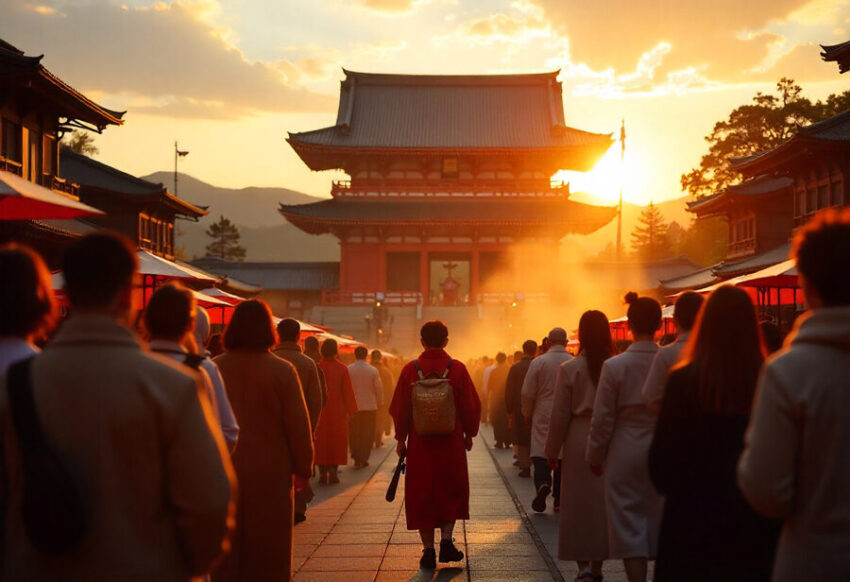
When the Japan Festival Riyadh 2025 opened its gates at the Cultural Palace in the Diplomatic Quarter, it wasn’t just another weekend event – it was a two-day snapshot of 70 years of Japan–Saudi relations, condensed into taiko drums, tea bowls, anime, and tourism booths.
Held on 31 October and 1 November 2025 at the Cultural Palace (DQ), the festival was co-hosted by the Embassy of Japan in Saudi Arabia, JNTO Dubai Office, JETRO Riyadh, the Riyadh Japanese Association and the Royal Commission for Riyadh City (RCRC), and officially branded as a flagship celebration of the 70th anniversary of diplomatic relations between Japan and Saudi Arabia.
Across the two days, organisers report that more than 10,000 visitors passed through the festival, from families and students to diplomats and business figures.
Japan Festival Riyadh 2025: 70 years in two days
The Japan Festival Riyadh 2025 was designed very clearly as a soft-power moment.
According to the Japanese embassy and official statements, the event was explicitly positioned as:
A flagship anniversary event under the 70th year of Japan–Saudi diplomatic relations.
A chance to deepen understanding of Japanese culture, tourism and business among Saudi residents.
A way to showcase “friendship and collaboration” ahead of Expo 2030 Riyadh, coming shortly after Expo 2025 Osaka, Kansai.
For a Riyadh audience that already knows anime, sushi and gaming through screens, the festival’s main promise was simple: come and experience it in real life.
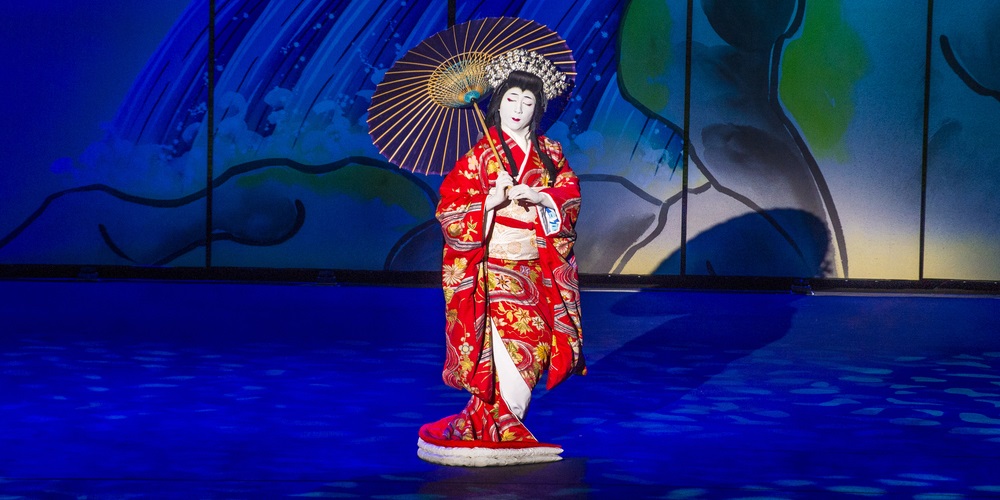
Anime, food and live stages: Japan in the Diplomatic Quarter
The programme deliberately mixed traditional and modern Japan.
Official coverage from the embassy, Saudi Press Agency and regional media highlights:
Stage performances including Wadaiko (Japanese drumming), Kabuki dance and Tsugaru Shamisen (a northern Japanese string instrument).
Cultural booths for calligraphy, handicrafts, ikebana (flower arrangement), kimono displays and origami, giving visitors hands-on experiences with Japanese arts.
Food corners offering Japanese dishes and sweets such as sushi, ramen and mochi, alongside tea experiences.
One of the most talked-about details in the official recap was the tea ceremony booth, where visitors tried matcha while staff explained Japan’s tea culture by comparing it with Arabic coffee traditions – a very literal moment of cultural bridge-building.
On the pop-culture side, social posts and promo clips from organisers and partners emphasised:
Anime screenings and attractions,
Cosplay,
J-culture content like character goods and themed experiences.
The result was a festival where you could move from taiko drums to anime photo-ops to tea ceremony in a few steps – exactly the mix that appeals to Riyadh’s young, globally connected crowd.
Tourism focus: Why Japan cares about Saudi visitors
Behind the stages and photo-friendly moments, Japan National Tourism Organization (JNTO) Dubai Office was using the festival as a very targeted tourism push.
In statements around the event, JNTO’s Dubai-based executive director Daisuke Kobayashi highlighted:
The festival as an opportunity to showcase Japan’s “unique culture and diverse travel attractions” to Saudi visitors.
A sharp rise in regional travel: in the first half of 2025, visitors to Japan from GCC countries reached 25,224, a 19.9% increase on the same period in 2024.
Saudi Arabia leading the region, with 17,443 Saudi visitors recorded in 2024, the highest figure among GCC countries.
Tourism presentations at the festival specifically promoted regions like Chūbu, known for its tea-producing areas, alongside more familiar destinations, positioning Japan not only as Tokyo–Kyoto–Osaka but as a set of deeper, more “insider” trips.
For Riyadh-based Niche readers, the subtext is clear: the festival wasn’t only about bringing Japan to Saudi; it was also about inviting Saudis to Japan.
Cultural soft power in the Vision 2030 era
The Japan Festival in Riyadh 2025 sits inside a much larger context.
Japan’s Ministry of Foreign Affairs has been officially endorsing events linked to the 70th anniversary of Japan–Saudi diplomatic relations in 2025, explicitly encouraging cultural, educational and tourism activities as tools to “deepen mutual understanding and promote friendship” between the two countries.
On the Saudi side, the festival complements the broader Vision 2030 push to bring more international cultural content into the Kingdom – from film festivals and concerts to gaming and design. Coverage of the event repeatedly connects it to cultural diplomacy, economic partnership and people-to-people exchange, not just entertainment.
In very practical terms, a free, family-friendly event that draws around 10,000+ visitors to watch Kabuki, listen to shamisen and line up for matcha and sushi is a concrete manifestation of that soft power: it puts Japan on the weekend plans and Instagram stories of Saudi residents in a warm, low-pressure way.
Why Japan Festival Riyadh 2025 matters for Niche readers
For Niche’s Middle East audience, Japan Festival Riyadh 2025 is interesting on three levels:
Culture & lifestyle – a real look at how Riyadh residents are embracing Japanese culture beyond anime streaming: live performances, traditional arts, and food.
Travel & luxury – a sign that Japan is actively courting Saudi and GCC travellers with tailored campaigns, region-specific promotions and data that shows demand is genuinely rising.
Soft power & branding – a case study in how a country can use festivals to communicate values (craft, hospitality, calm), while a host city like Riyadh uses international events to position itself as a global cultural hub.
As both countries look ahead – to Expo 2025 Osaka on one side and Expo 2030 Riyadh on the other – festivals like this one are less about a single weekend and more about building a shared story that runs through tourism, education, business and culture.