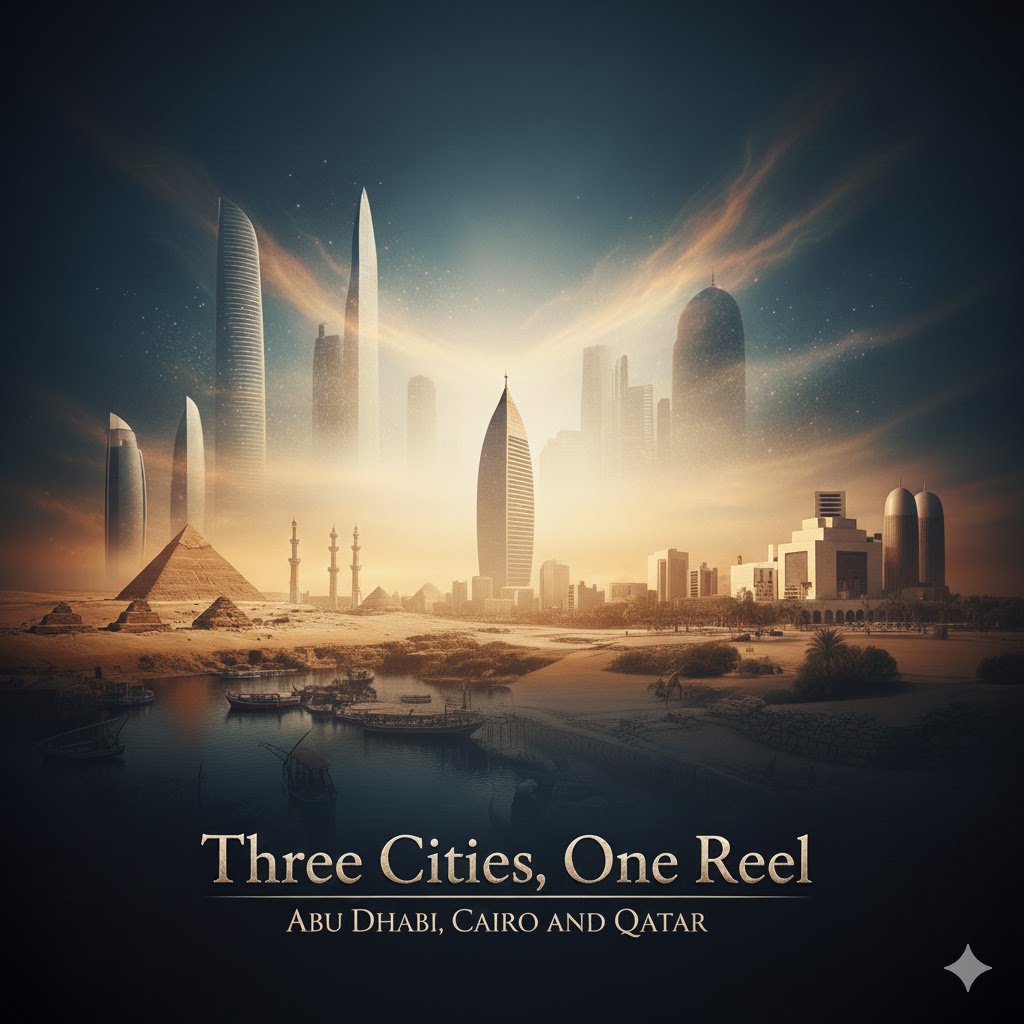
Three Cities, One Reel: Abu Dhabi, Cairo and Qatar’s November Film Triad
Middle East film festivals November 2025 mark a major cultural moment as Abu Dhabi, Cairo and Qatar host their biggest cinema events of the year, creating a new regional film triangle that travellers and cinephiles can explore in a single month.
For cinephiles from Egypt, the Gulf and beyond, this cluster has turned November into something rare: a cultural travel circuit where you can hop from one Arab capital to the next, catching premieres, panel talks, red-carpet moments, and industry meet-ups along the way.
 The “Middle East Film Triangle”
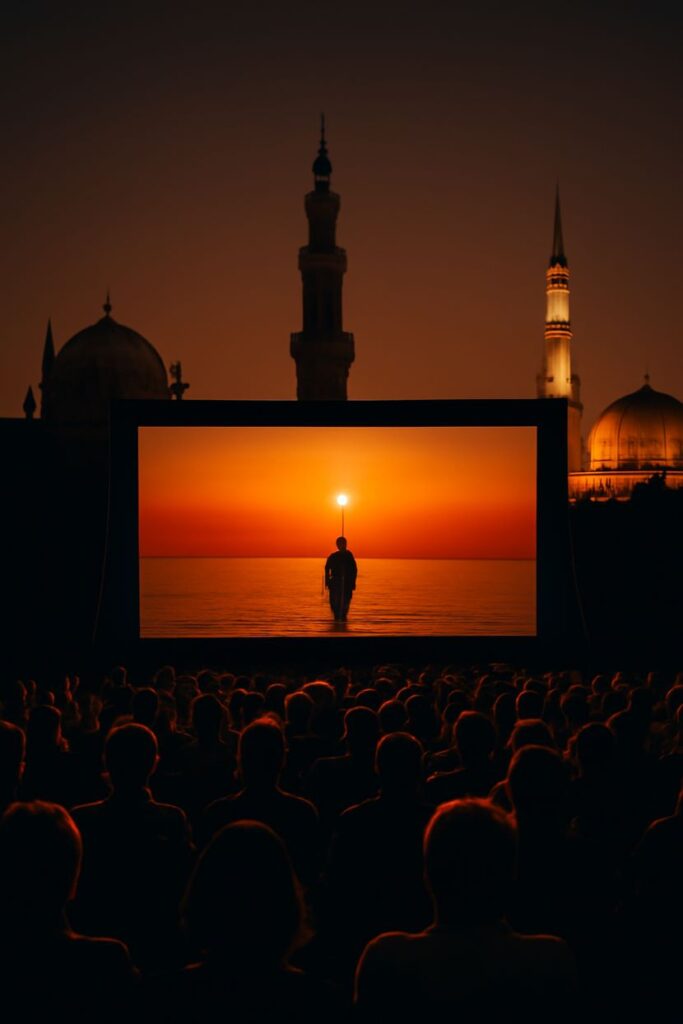 The “Middle East Film Triangle”
1. Abu Dhabi: A Rising Regional Hub
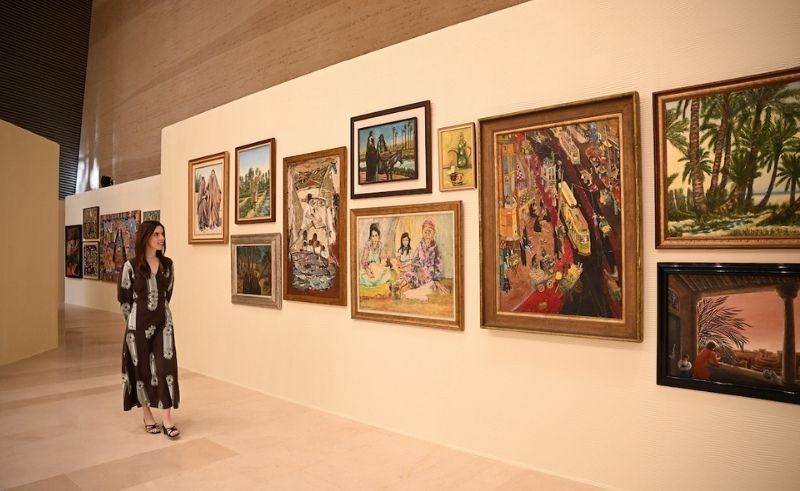
Abu Dhabi has spent years building serious cultural infrastructure — from the Louvre Abu Dhabi to large-scale creative hubs — and its film initiatives have followed the same path.
By November, the city hosts a wave of screenings, cultural programming and industry gatherings tied to national film bodies and ongoing regional collaborations. Abu Dhabi continues to position itself as a future home for Arab film production, attracting global partners through incentive programmes, world-class venues and a strong arts calendar.
Where to watch:
Cultural Foundation
Manarat Al Saadiyat
Vox Cinemas Yas Mall (festival screenings often take place in large multiplexes)
Where to stay:
Saadiyat Island hotels (St. Regis, Park Hyatt) for calm, beachside escapes
Yas Island for travellers who want to mix cinema with entertainment and nightlife
Where to network:
Warehouse421 and Saadiyat’s cultural district cafés
Festival lounges and pop-ups (Abu Dhabi’s industry events tend to be informal but well-curated)
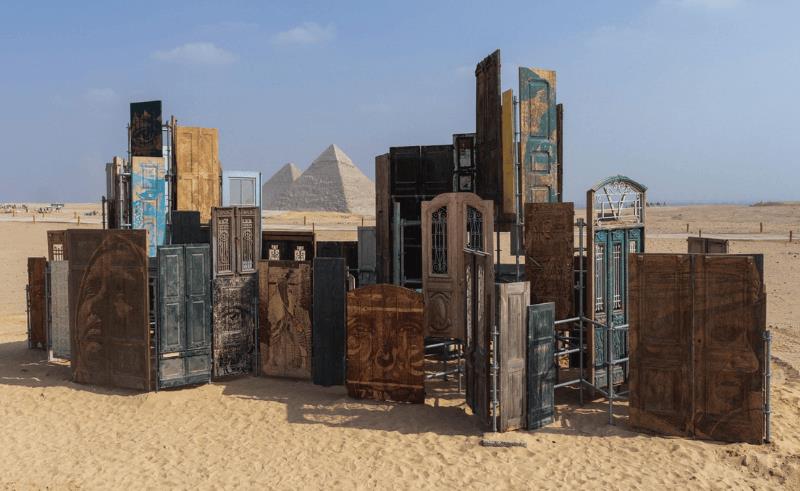
2. Cairo: The Arab World’s Oldest and Most Iconic Festival
The Cairo International Film Festival (CIFF) — one of the oldest festivals in the Arab world — anchors the Egypt leg of the circuit every November.
CIFF is known for its mix of international premieres, Arab films, and emotionally resonant stories. In recent editions, Egyptian and regional audiences have connected strongly to films rooted in real life and contemporary issues. The festival’s closing nights often become cultural touchpoints — from major award wins to films that stir public conversation.
Where to watch:
Cairo Opera House (main screenings)
Downtown cinemas (Galaxy, Zawya, and various partner theaters)
Where to stay:
Zamalek (Arkan Plaza hotels, Hilton, boutique stays)
Downtown Cairo for travellers wanting to be close to screening venues and social events
Where to network:
CIFF Industry Days, panel talks, after-screening discussions
Cafés and restaurants in Zamalek and Garden City, where filmmakers typically gather between screenings
3. Qatar: A Festival that Blends Cinema & Community
Qatar has become an increasingly influential cultural player, and November is a key month for its film programming. Through education initiatives and partnerships, Doha provides a platform for emerging Arab filmmakers — especially those exploring identity, heritage and contemporary storytelling.
The city’s film events attract a mix of local families, regional students, and global industry names. The setting itself — from the Museum of Islamic Art to the Corniche — adds cinematic visuals even before the lights dim.
Where to watch:
Vox Cinemas Doha Festival City
Katara Cultural Village
Museum of Islamic Art outdoor screenings, depending on the programme
Where to stay:
West Bay (luxury hotels with skyline views)
Msheireb Downtown for design-driven travellers
Where to network:
Doha Film Institute events
Katara and Msheireb cafés popular with filmmakers and creatives
Why November Now Feels Like “Art & Film Month” in the Middle East
Several factors explain why these three cities have unintentionally synchronized their cultural calendars:
1. A shared push to elevate Arab cinema
Each city wants to develop and export its own storytelling identity. Together, they create a regional ecosystem — a pipeline of Arab films that can premiere in one city, travel to the next, and build momentum across audiences.
2. Film tourism is on the rise
Travellers in the Middle East are increasingly combining cinema, culture and leisure. A movie premiere in Abu Dhabi might be followed by an industry talk in Cairo and a community screening in Qatar — all in one month.
3. The Middle East now hosts global-standard creative events
These are not niche festivals. They involve international juries, global press, major screenings and high-level cultural conversations. This positions the region as a serious global player in film culture.
How to Plan Your “Three-City Film Trip” (Mini Guide)
Start in Abu Dhabi
Spend 2–3 days enjoying screenings, Saadiyat Island art institutions, and evening networking events.
Fly 3.5 hours to Cairo.
Continue in Cairo
Immerse yourself in the festival atmosphere: red carpets at the Opera House, late-night screenings, Q&As, and downtown cafés filled with filmmakers.
Fly 3 hours to Doha.
Finish in Qatar
Enjoy Doha’s calm cinema culture, outdoor screenings, and panel discussions.
Explore museums or take a Corniche walk between events.
Who should make this trip?
Film students
Industry professionals
Culture journalists
Travelers who want a mix of cinema, history, design and lifestyle
Anyone curious about how Arab stories are evolving
Why This Matters for the Region
The Middle East Film Triangle signals a shift:
Films from the region are no longer waiting for global validation — they’re premiering in front of Arab audiences first, reflecting local stories, local issues, and local pride.
For Niche Magazine, this becomes a perfect annual anchor for a recurring “Art & Film Month” content series, spotlighting the cities, artists and audiences shaping the new Arab cinematic landscape.