Eye of the Desert: Why the Peter Beard Museum in Siwa Is the Chicest New Escape
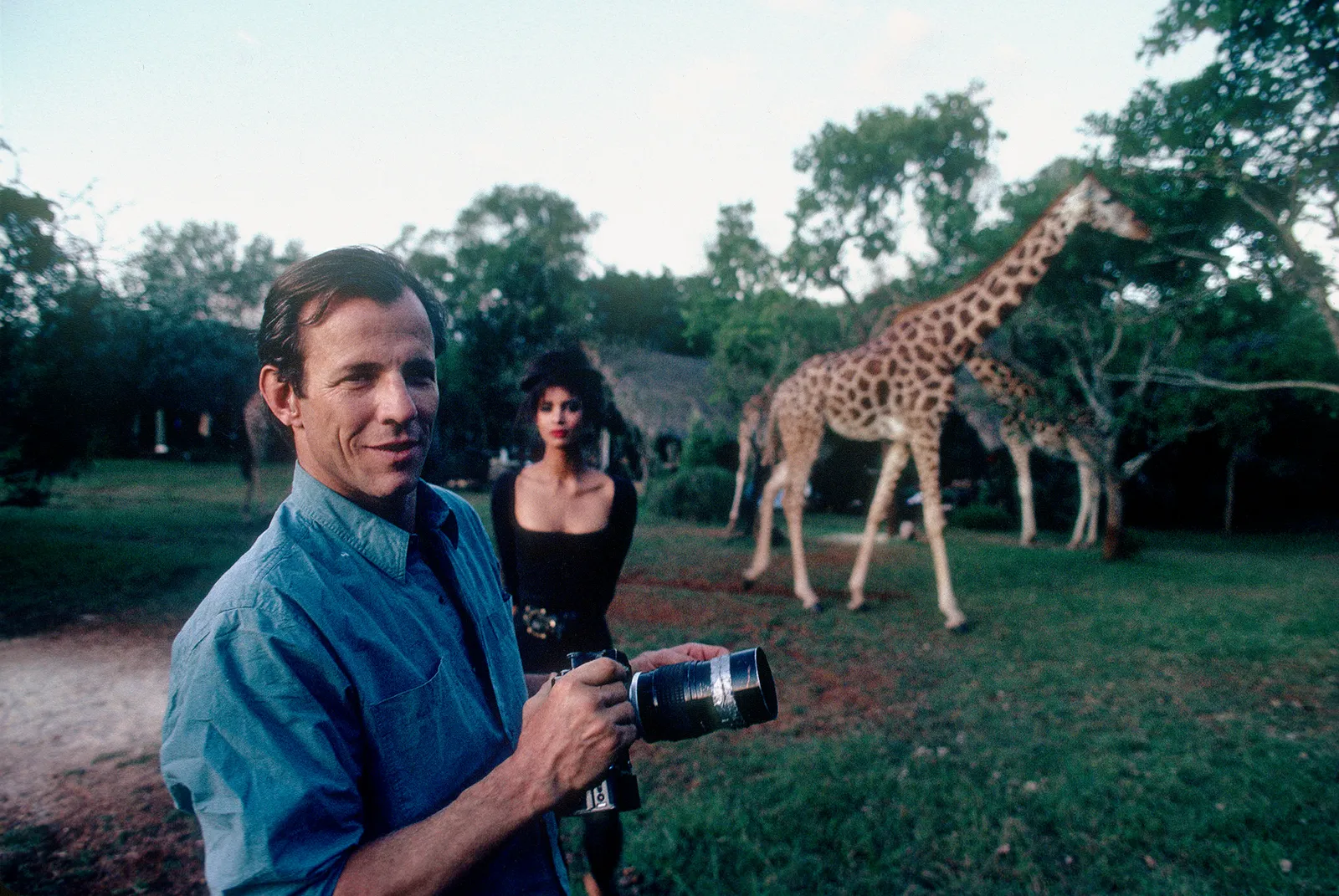
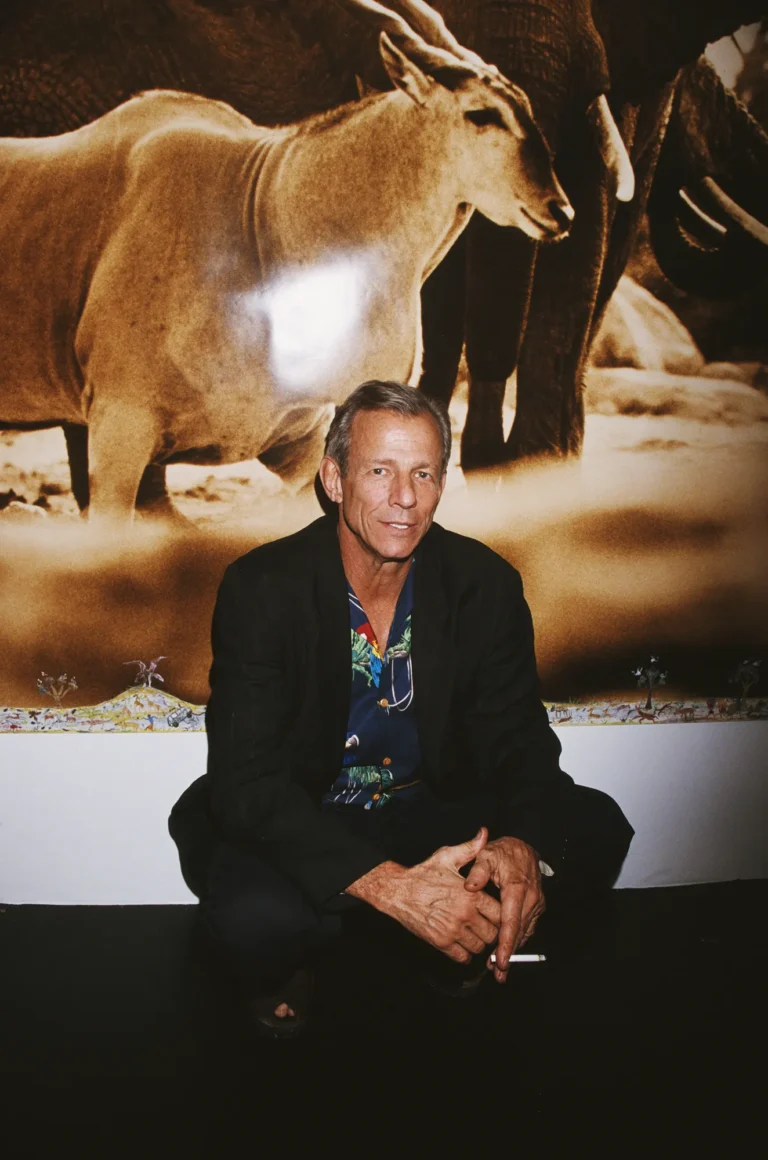
In Egypt’s far Western Desert, eight hours by car from Cairo, a new cultural destination has quietly arrived: Eye of the Desert: The Peter Beard Museum Siwa. Built entirely off-grid beside the legendary Adrere Amellal ecolodge, the museum is dedicated to the late American photographer Peter Beard and opened in November 2025 with a four-day celebration that drew royalty, artists and architects to the remote Siwa Oasis.
It is part art museum, part desert retreat – and already one of the most distinctive places in Egypt for travellers who want their culture served with candlelight and total silence.
Where is Eye of the Desert – the Peter Beard Museum Siwa?
The museum sits in Siwa Oasis, a historic settlement in Egypt’s Western Desert not far from the Libyan border. Siwa has been inhabited for thousands of years and is known for:
The Oracle of Amun temple, where Alexander the Great reportedly sought confirmation of his rule in 331 BC.
Its four salt lakes, hundreds of freshwater springs and dense groves of date palms and olive trees.
Today, Siwa is reached mainly by road on multi-day tours from Cairo, Giza or Alexandria, which often combine the oasis with the White Desert and other Western Desert landscapes.
This remote setting is central to the museum’s identity: visitors leave behind phone signal, neon lights and city noise long before they arrive.
Inside “Eye of the Desert”: the Peter Beard Museum Siwa
The museum is officially titled Eye of the Desert: The Peter Beard Museum Siwa. It was conceived and built by Dr. Mounir Neamatalla, the Egyptian environmentalist and founder of Environmental Quality International (EQI), who has worked on sustainable development and ecotourism projects across Africa and the Middle East since 1981.
Key facts about the museum:
Construction & energy
Hand-built from local Siwan mud, in the same style as the surrounding ecolodge.
Entirely off-grid, with no connection to the national electricity network.
Collection
Large-scale photographs by Peter Beard, some embellished with hand-painted borders by the Hog Ranch Art Department, a collective of Kenyan friends and artists who worked with him.
A gallery of pages from Beard’s diaries – dense collages of images, handwriting and found materials.
A room devoted to personal family photographs and mementos.
Curatorial vision
Curator Wills Baker describes Beard’s view of Egypt as that of a “vessel through which older African wisdom still flows,” noting his fascination with Luxor ruins, mummified crocodiles and hieroglyphs.
The museum was created in partnership with Beard’s widow Nejma Beard, their daughter Zara Beard, and the artist’s estate as a permanent tribute to his life and environmental concerns.
The result is a compact museum where visitors move from desert glare into cool mud-walled rooms, seeing Beard’s African and Egyptian images presented in the very landscape that inspired him.
Adrere Amellal: the off-grid ecolodge next door
The Peter Beard Museum Siwa shares its site with Adrere Amellal, one of Egypt’s most famous eco-lodges.
According to the lodge and independent travel guides:
Adrere Amellal has around 40 hand-built rooms and suites, constructed from salt rock, mudbrick and palm wood, blending into the base of the White Mountain above Lake Siwa.
The lodge is completely off-grid: there is no electricity and no Wi-Fi; rooms and outdoor spaces are lit at night by beeswax candles and firelight.
Water is supplied from a nearby natural spring, and food is prepared with local, largely organic ingredients sourced from the oasis.
Guests sleep on beds carved from salt or built into mud platforms, with woven rugs, hand-made furniture and views over palm groves, dunes or Lake Siwa.
This stripped-back setting – no screens, no artificial lighting – is exactly where visitors to the Peter Beard Museum eat, stay and talk about the work they’ve just seen.
A-list opening in the Western Desert
The museum opened in November 2025 with a four-day celebration hosted by Zara Beard and the Estate of Peter Beard, with guests staying at Adrere Amellal.
Vanity Fair reports that among those who travelled to Siwa for the inauguration were:
King Frederik X of Denmark
Prince Muhammad Ali of Egypt
Installation artist Danh Võ
Architect and designer India Mahdavi
Egyptian businessman Sir Mohamed Mansour
Archaeologist Dr. Zahi Hawass, who originally introduced Peter Beard to Neamatalla and Siwa .
The programme included:
Cocktails and dinner under a full moon
A candlelit unveiling of the museum
Desert walks and gatherings around Adrere Amellal’s candlelit terraces .
For a small oasis town, this guest list and setting marked one of the most high-profile cultural openings Egypt has seen outside Cairo and the Red Sea resorts.
Why the Peter Beard Museum Siwa is a standout escape
From a traveller’s point of view, three factual elements make the Peter Beard Museum Siwa and Adrere Amellal feel different from other art destinations:
True off-grid luxury
Both the museum and lodge operate without mains electricity or plastic, relying on natural materials, spring water and candlelight.
Immersion in a historic landscape
The complex sits in a living oasis with ancient temples, salt lakes and desert dunes that have attracted travellers for centuries.
Museum-standard art in the middle of the desert
The museum holds original large-scale works, diaries and personal archives by Peter Beard, curated in partnership with his family and estate, and presented in architecture that mirrors the surrounding Siwan landscape.
For visitors coming from Cairo or abroad, this combination means the trip to Siwa is not just another stop on a desert tour. It becomes a focused retreat: wake up in a candlelit room, walk through olive trees to the museum, and spend the afternoon between Beard’s images and the salt lakes and dunes that echo them.