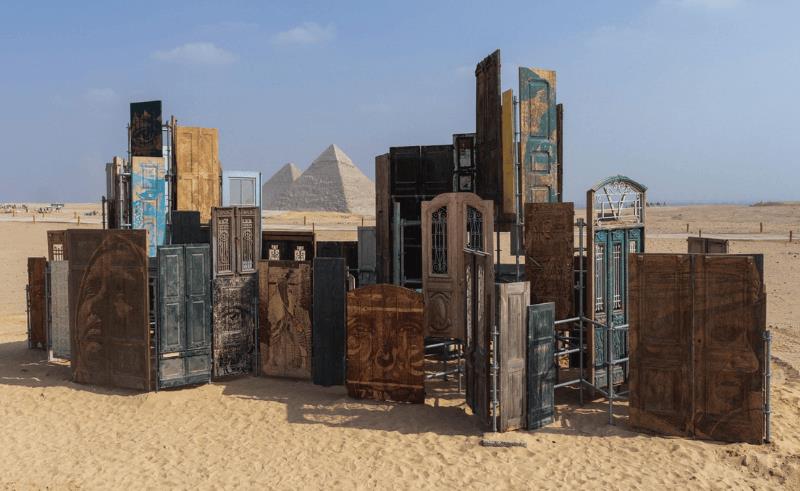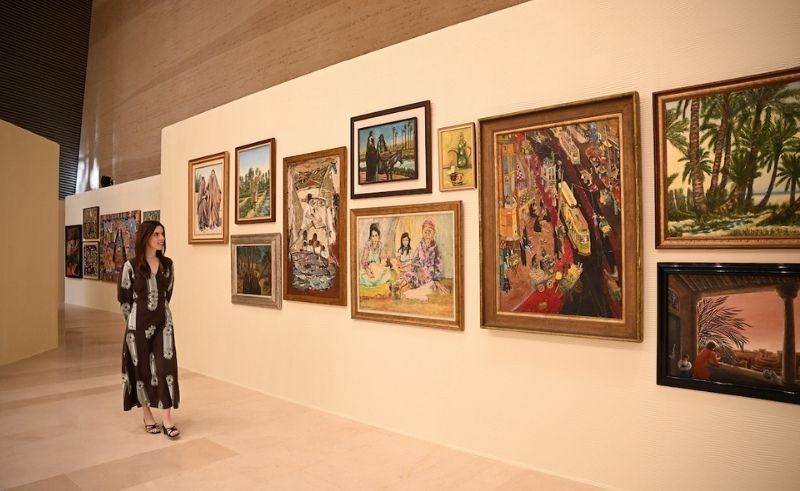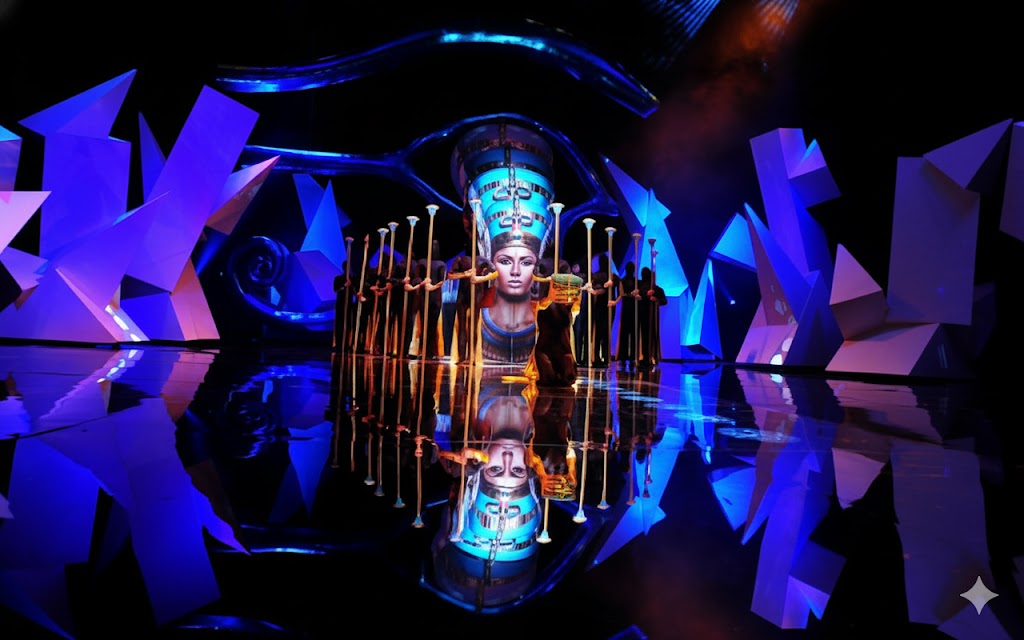
Pharaoh-Core: How GEM’s Opening Is Reigniting Ancient Egypt Style
When the Grand Egyptian Museum (GEM) finally opened its doors next to the Giza Pyramids in late 2025, it wasn’t just an archaeological milestone. It felt like a cultural reset. After two decades of construction and years of anticipation, Egypt now has the world’s largest museum devoted to a single civilisation, showcasing tens of thousands of ancient pieces – from the colossal statue of Ramses II to the full treasure collection of Tutankhamun.
As Egypt steps into this new museum era, something interesting is happening outside the galleries too: Ancient Egypt is back in fashion language, from local red carpets to global costume archives. The internet has even found a name for it – Pharaoh-core.
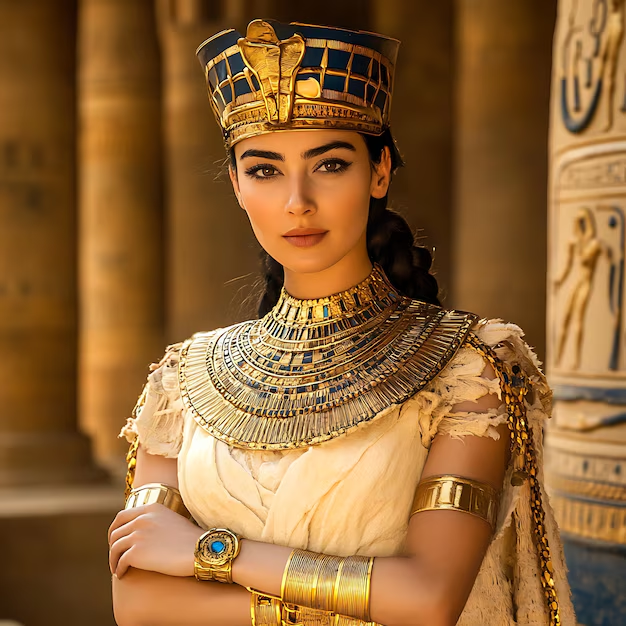
The Grand Egyptian Museum: a new stage for Ancient Egypt
The Grand Egyptian Museum has been described as Egypt’s most ambitious cultural project:
Located on the Giza Plateau, a short distance from the pyramids.
Costing around $1 billion+ and spanning roughly 470,000–500,000 square metres of built space and landscaped grounds.
Housing more than 50,000–100,000 artifacts, including the complete Tutankhamun collection gathered in one place for the first time.
Officially inaugurated in late 2025, after a phased soft opening that began with limited Grand Hall visits in 2023 and expanded public access in October 2024.
Visitors can now book timed tickets through the museum’s official portal visit-gem.com, which lists opening hours and soft-capacity limits for galleries and the wider complex.
For Cairo and Giza, GEM has instantly become a new landmark – and a powerful visual reminder of pharaonic aesthetics: monumental stone, axial lines aligned with the pyramids, and galleries dedicated to gold, lapis, linen and carved reliefs.
From galleries to red carpets: the rise of Pharaoh-core fashion
While antiquities sit behind glass at GEM, celebrities have been borrowing the visual language of Ancient Egypt for years. Cairo-based fashion platform SceneStyled captured this perfectly in its feature “Styled Archives: When Celebrities Channeled Ancient Egypt.”
Published in November 2025 to coincide with the museum’s grand opening, the article opens with a clear statement:
“With the Grand Egyptian Museum finally opening in the heart of Giza, Ancient Egypt fever is back in full, gold-leafed force… celebrities have been borrowing its visual language for years.”
The piece revisits a series of looks that feel very Pharaoh-core today:
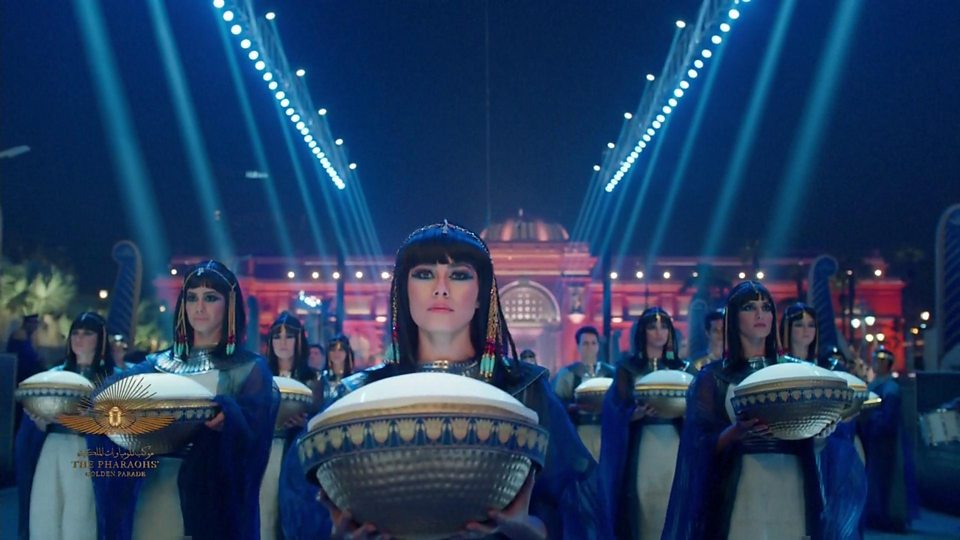
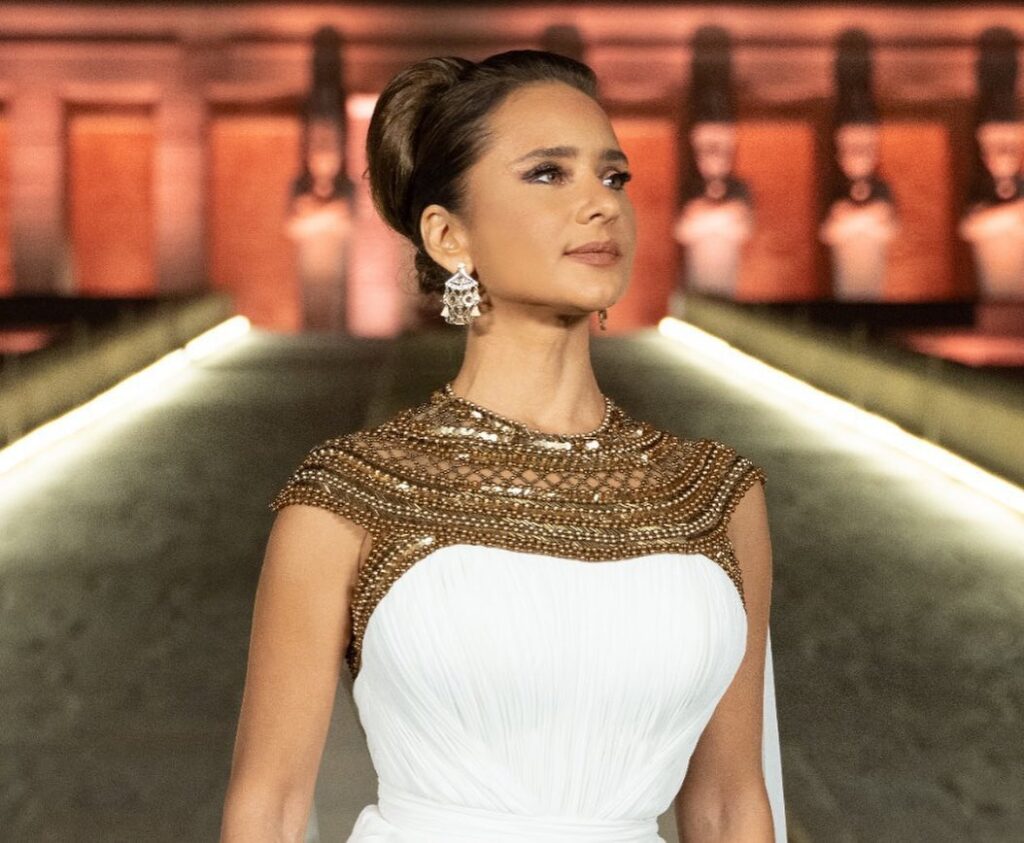
Nelly Karim – Pharaohs’ Golden Parade, Cairo 2021: a modern white dress topped with a beaded gold collar, giving a clean, contemporary echo of temple jewellery.
Sawsan Badr – Cairo International Film Festival 2022: head-to-toe gold beading and a sweeping cape, presented in SceneStyled’s words as “red-carpet royalty” with an Ancient Egypt glow.
Youssra – 92nd Academy Awards, Hollywood 2020: a structured gold bodice and regal neckline that the feature links directly to “Old Kingdom energy” on a global red carpet.
Dorra – Aswan Film Festival 2021: sleek white silhouette, gold belt and subtle accents – a quieter, minimal Pharaoh-core that still reads unmistakably Egyptian.
The archive also stretches beyond the region, reminding readers that icons like Cher and Anne Hathaway have leaned into Cleopatra crowns, metallic bodywork and heavy kohl liner in photo shoots and costume parties – proof that pharaonic references have long been part of global pop culture styling.
Together, these examples map out the core elements of Pharaoh-core fashion as it appears on red carpets and editorials today:
Gold collars and chest plates
Structured, column-like gowns in white, black or metallic shades
Dramatic eye makeup inspired by kohl-rimmed pharaonic portraits
Capes, headdresses and sculpted shoulders that echo temple reliefs and royal regalia
Why GEM’s opening and Pharaoh-core feel linked
SceneStyled’s editorial timing makes the connection explicit: its Ancient Egypt fashion archive is framed directly around the Grand Egyptian Museum’s opening in Giza.
At the same moment, international coverage from outlets like AP, The Guardian and Le Monde has been filled with images of GEM’s Ramses II statue, the golden Tutankhamun galleries and meticulously lit pharaonic artefacts.
For designers, stylists and image-makers across the region, these visuals are a ready-made reference board:
Monumental stone staircases and axial corridors that echo runway catwalks.
Close-up shots of inlaid gold, carnelian and lapis that look like high-jewellery campaigns.
Narrative displays about queens, gods and royal processions that sit comfortably next to the story-driven world of red-carpet styling.
Cairo-based media have responded accordingly. SceneStyled’s Ancient Egypt archive sits alongside trending pieces on sequinned looks and heritage-driven labels like Nakshe Studio, signalling broader interest in archival glamour and regional references.
For Niche readers: how Pharaoh-core shows up now
For fashion lovers in Egypt and the Middle East, Pharaoh-core is not a passing TikTok sound – it’s rooted in real, visible choices on local and international stages:
National events like the Pharaohs’ Golden Parade in Cairo have given designers and stylists space to reference collars, cuffs and white-gold silhouettes directly.
Arab stars such as Sawsan Badr, Nelly Karim, Dorra and Youssra are repeatedly cited by regional media as examples of modern women embracing pharaonic codes without slipping into costume.
The Grand Egyptian Museum itself has become a new luxury backdrop for campaigns, tourism content and future gala concepts, centred on pharaonic art presented with contemporary lighting, scenography and branding.
All of that is factual and already happening. The human side is simpler:
Visitors step out of GEM after hours with Ramses II, golden masks and carved falcons still in their minds. Designers, stylists and photographers walk through the same halls, but they leave with something extra – a mental moodboard of silhouettes, textures and colours that naturally find their way back onto dresses, liner, jewellery and editorials across Cairo, Giza and the wider region.
That quiet loop – from museum vitrines to red carpets and back again – is where Pharaoh-core fashion really lives.