Some cars are remembered for how fast they were. Others for how much they cost. But the cars that remain fascinating decades later often hold something far more lasting: a sense of the time that created them.
A truly remarkable automobile can become a record of its time: preserving an idea of beauty, a cultural mood, a technological ambition or a particular understanding of what performance should be. Its value eventually extends beyond the machine itself. It becomes a piece of history that happens to have four wheels.
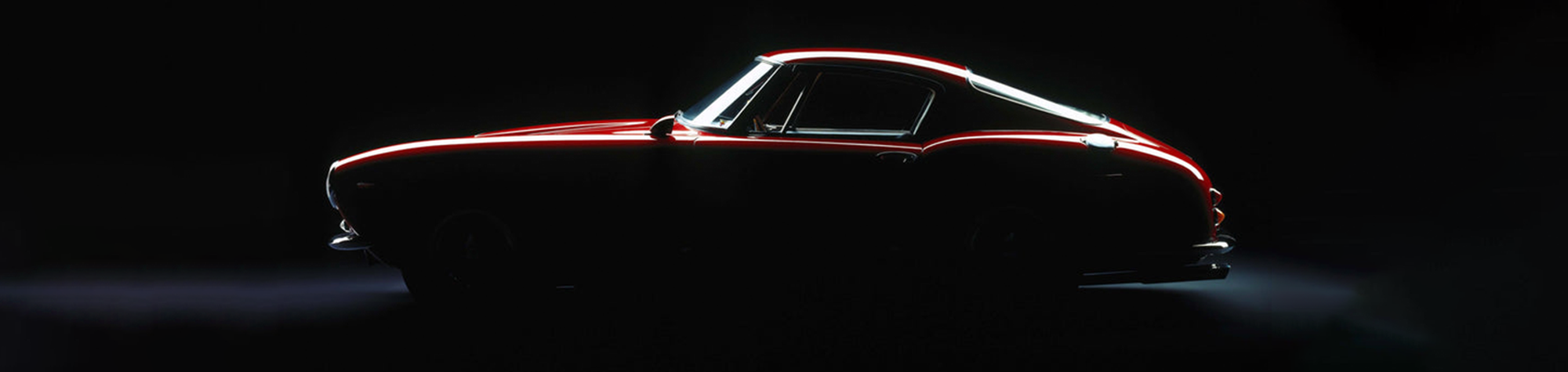
In 1961, the Jaguar E-type arrived with a shape that seemed almost impossible to reconcile with the idea of mass production.Long, low and remarkably fluid, it brought together elegance and engineering in a way that felt distinctly modern. Here, beauty became a performance in itself. The E-Type did not need to look aggressive to communicate speed. Its proportions did the talking.
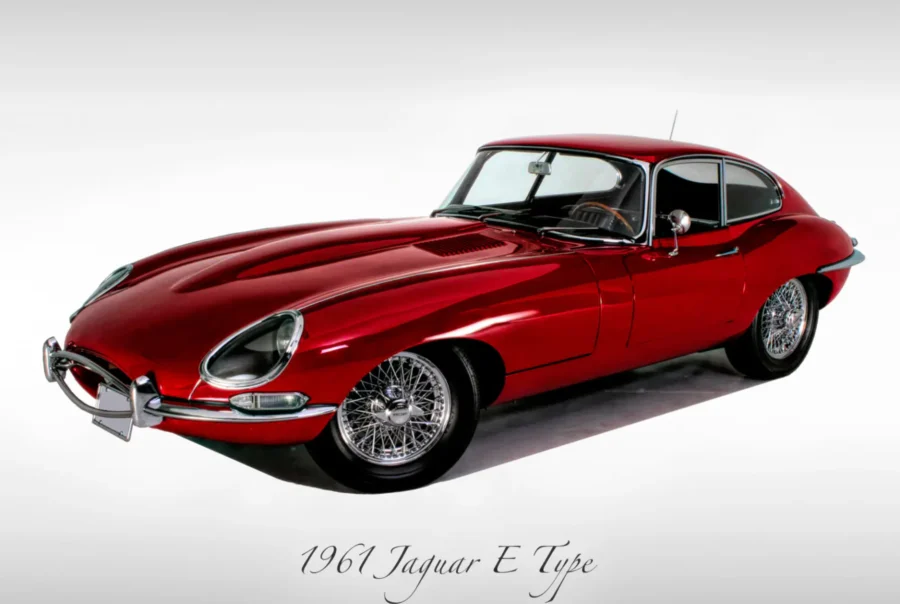
More than sixty years later, it remains one of the clearest expressions of a moment when automotive design believed that function and beauty could exist without compromise. It does not simply look like a car from the 1960s. It looks like the 1960s imagined the future.
By the time the Ferrari Testarossa appeared in 1984, the visual language had changed completely. The restraint of earlier decades had given way to something louder, more theatrical and far less interested in disappearing
The Testarossa was the shape of an unforgettable decade. Its wide body, dramatic stance and signature side strakes made subtlety almost beside the point. It belonged to an era fascinated by glamour, ambition and spectacle, when the sports car could become a cultural symbol as much as a piece of engineering.
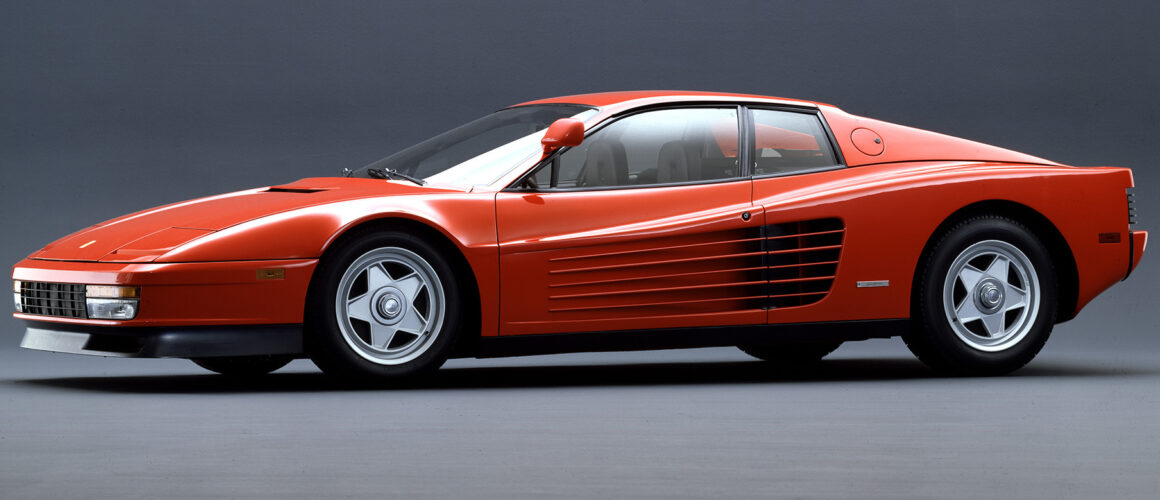
Its appeal today is therefore not simply nostalgia. The Testarossa remains compelling because it captured its moment with extraordinary precision. Some cars age gracefully. Others preserve an entire atmosphere.
Three years later, Ferrari produced a very different kind of statement.
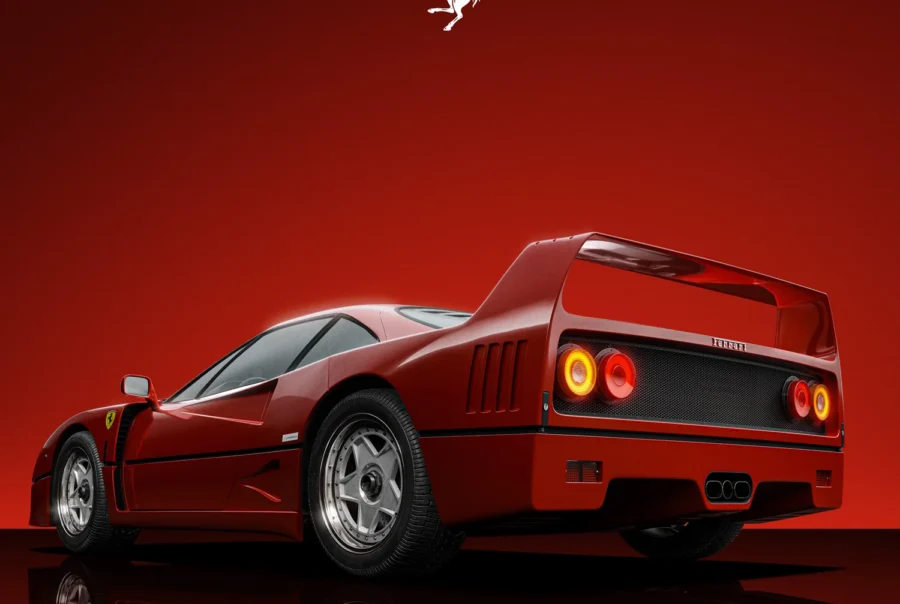
The F40 arrived in 1987 to mark Ferrari’s 40th anniversary, but its significance went further. It was the last Ferrari road car personally approved by Enzo Ferrari before his death the following year, giving the car a place in the marque’s history that few others could occupy.
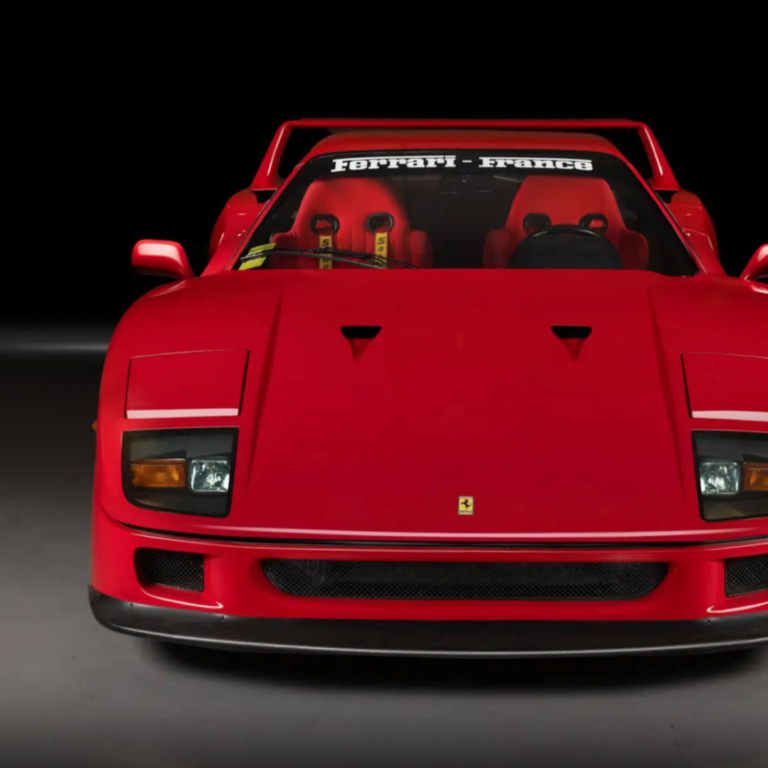
Where the Testarossa embraced theatre, the F40 pursued something more elemental. Lightweight construction, composite materials, a twin-turbocharged V8 and an uncompromising focus on performance stripped away anything that did not serve its purpose.
It was not interested in making speed look luxurious. It made speed the luxury.
That distinction is part of what gives the F40 its enduring character. It belongs to the final years of an analogue philosophy of performance, when mechanical intensity could still be the defining experience of a supercar.
Then, in 1992, the McLaren F1 arrived and shifted the conversation once again.
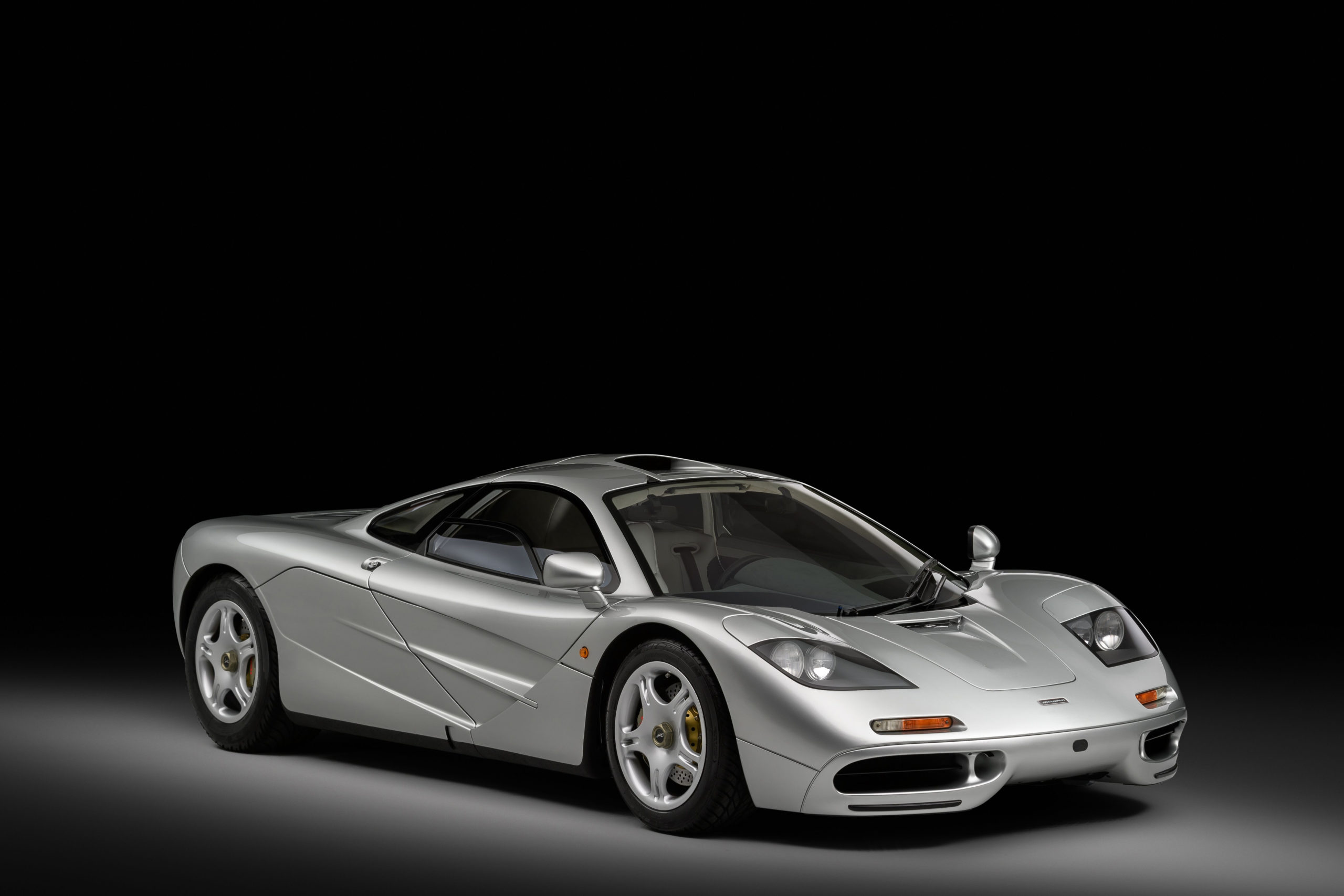
The F1 was not simply designed to be fast. It was conceived around the idea that every decision could be made better. Its central driving position, three-seat configuration, lightweight construction and naturally aspirated V12 reflected an almost obsessive pursuit of engineering perfection.
Here, engineering met obsession.
The F1 emerged as technology was beginning to transform almost every aspect of modern life, yet its brilliance was profoundly physical. It did not hide its engineering behind layers of technology. It placed the driver at the centre of it.
That may be why the car has become so revered among collectors. It represents a particular moment when technological progress and mechanical craftsmanship were not yet competing philosophies. They were working towards the same ideal.
And that is what makes these cars so much more interesting than their price tags.
The Jaguar E-Type preserves a vision of beauty. The Testarossa holds the glamour of the 1980s. The F40 marks the end of Enzo Ferrari’s direct influence over a road car. The McLaren F1 captures an age of engineering without compromise.
They were never built to become historical documents.
They were built to move.
But time gave them another purpose.
Today, they are records of what their eras valued: elegance, spectacle, speed, precision. Their rarity may make them desirable, but their ability to tell a story is what makes them enduring.
Because perhaps the most collectible cars are not simply the ones we want to own.
They are the ones that allow us to remember what an era wanted to become.