
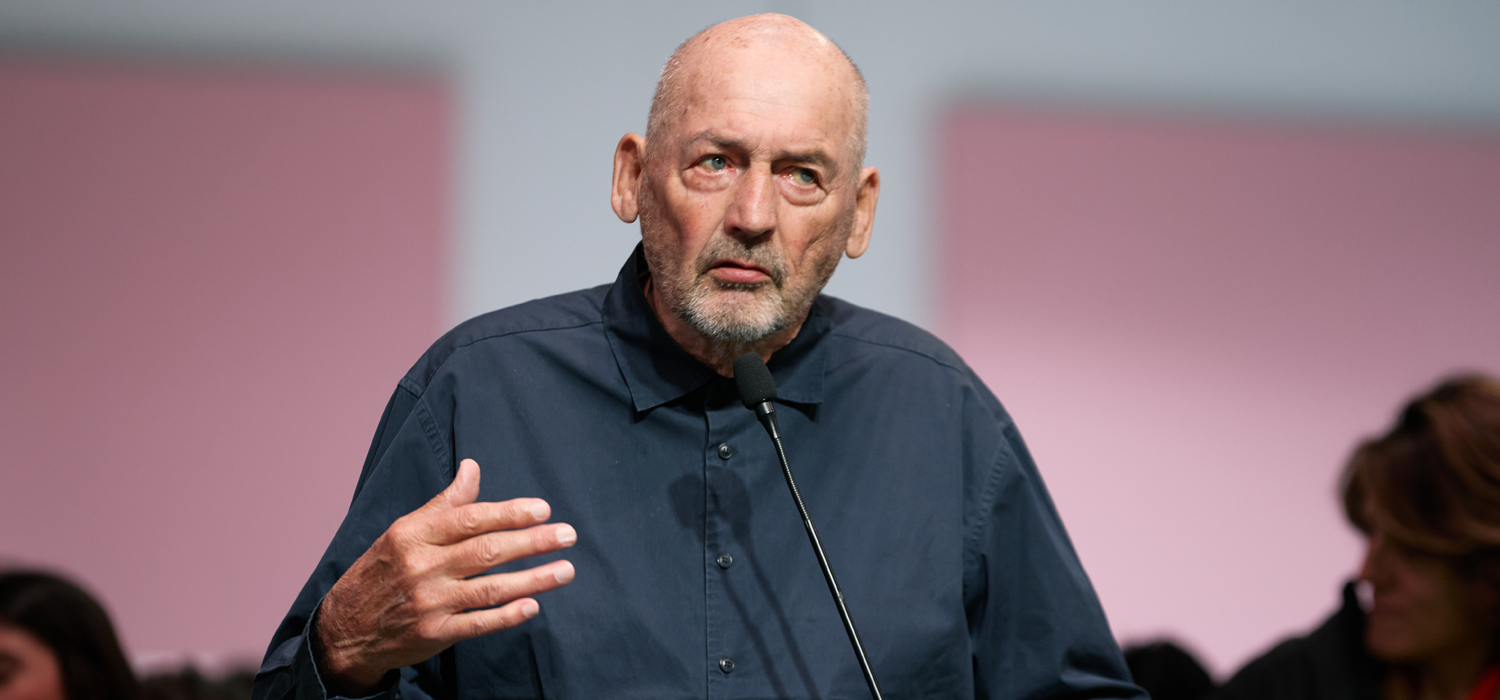
A new chapter in the evolution of design is quietly taking shape through systems rather than objects. At the recent Salone del Mobile Milano, the presentation of the Contract Masterplan by Rem Koolhaas and David Gianotten of OMA introduced a way of thinking that challenges long-standing industry structures. Rather than refining what already exists, it proposes a reconfiguration of how design operates at scale, setting the course toward Salone Contract 2027. The idea of “Contract” here is an expansive framework that encompasses the entire lifecycle of large-scale developments. From conception to execution and long-term operation, every phase is interconnected. Design, production, logistics, and management no longer function as separate sequences, but as overlapping layers within a continuous process. This reflects a reality where projects must remain responsive to shifting economic climates, geopolitical influences, and cultural shifts.
What emerges from this approach is a clear departure from the predictability of the traditional supply chain. Instead of a linear progression, the industry is repositioned as a network of interdependencies. Each participant – whether client, designer, manufacturer, or operator – contributes not at a single moment, but across multiple stages. Their roles expand, intersect, and evolve, creating a more resilient and adaptive structure.
This shift also reframes how projects themselves are perceived. They become dynamic ecosystems that are shaped by collaboration and refined through ongoing dialogue. It is within this environment that innovation truly takes place as a cumulative process driven by shared expertise.
Equally significant is the spatial and experiential dimension of this initiative. The concept of Salone Contract moves away from the static format of exhibitions and toward something far more interactive. Envisioned as a “trading post,” it becomes a site of exchange – where conversations unfold, negotiations take shape, and partnerships are formed in real time.
In many ways, this masterplan reflects a broader transformation within the global design landscape. As complexity increases and boundaries between disciplines dissolve, the need for integrated, flexible systems becomes unavoidable. The response offered here is structural. It redefines how value is created, how collaboration is sustained, and how projects are brought to life. By positioning Contract as both a mindset and a mechanism, this initiative signals a future in which design is no longer measured by individual excellence alone, but by the strength of the networks it builds and the systems it sustains.